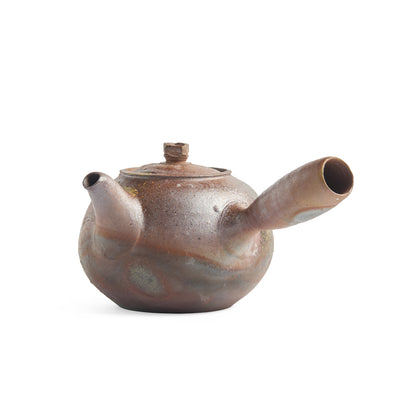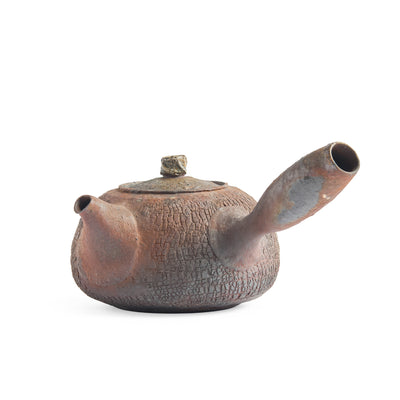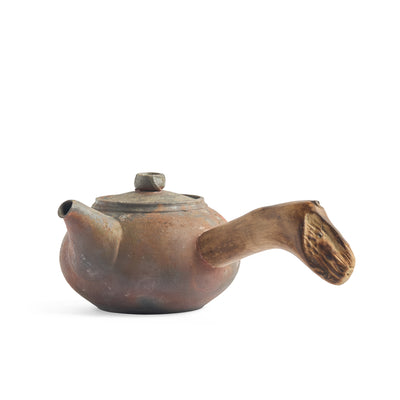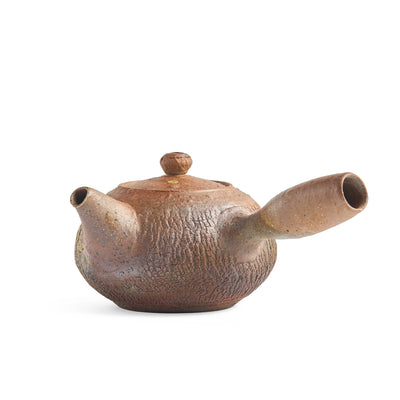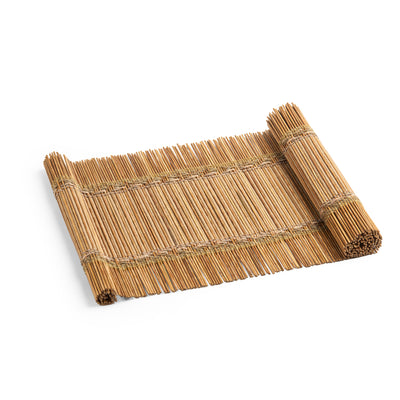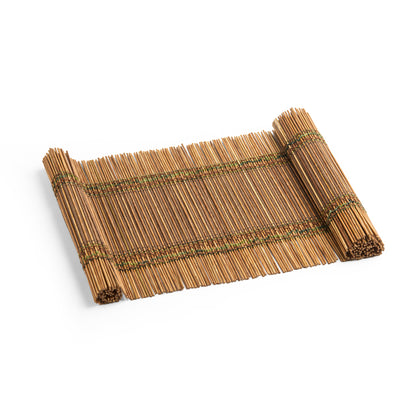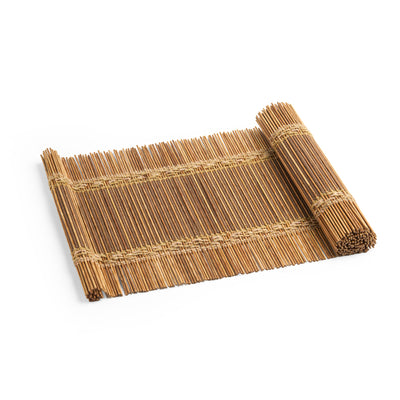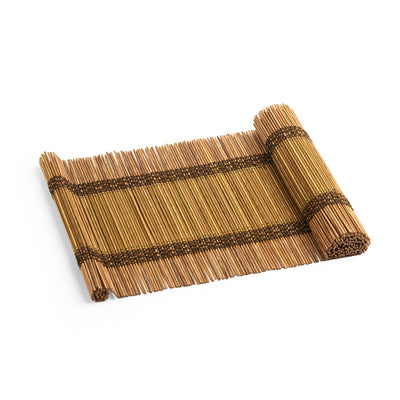
Artisanal Teaware

Kintsugi Repair Service

Kintsugi Repair Service

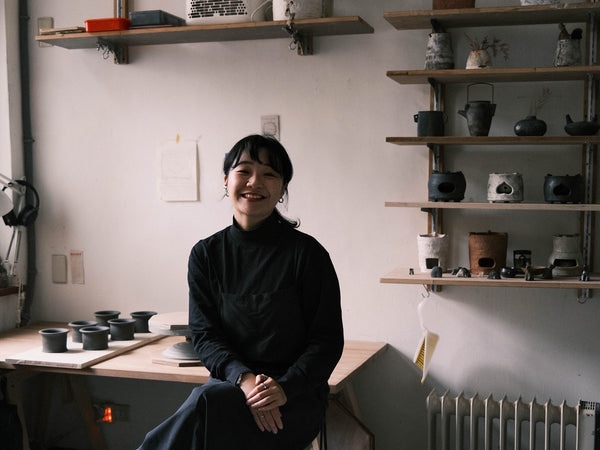
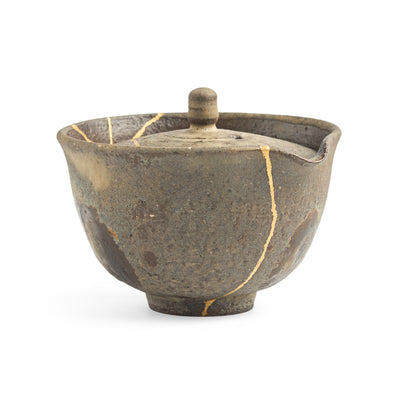
Alongside the artisans we are honored to feature, we are excited to introduce Lai Hsin-You — a wonderful kintsugi teacher collaborating with us to repair your broken teaware, mending each crack with gold.
Learn more
Petr Novák

Petr Novák

Czech Republic

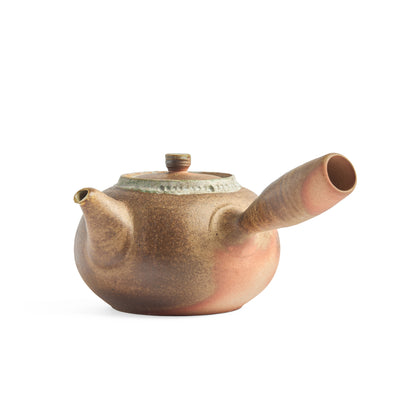
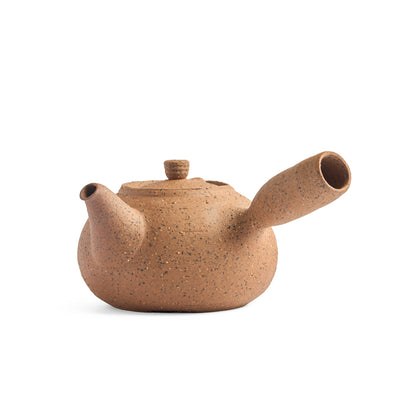
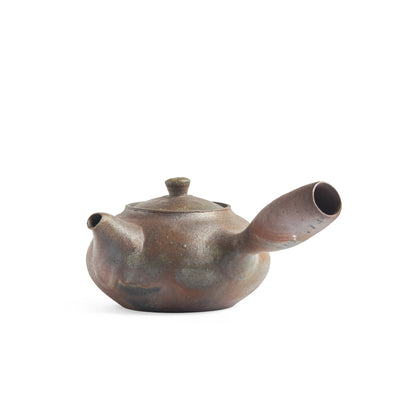
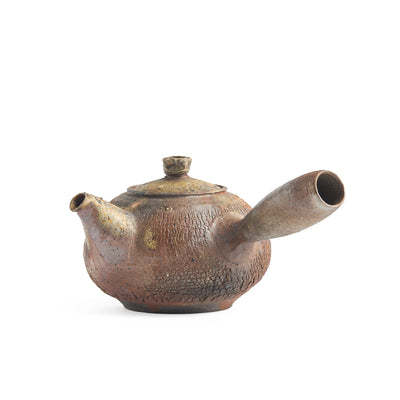
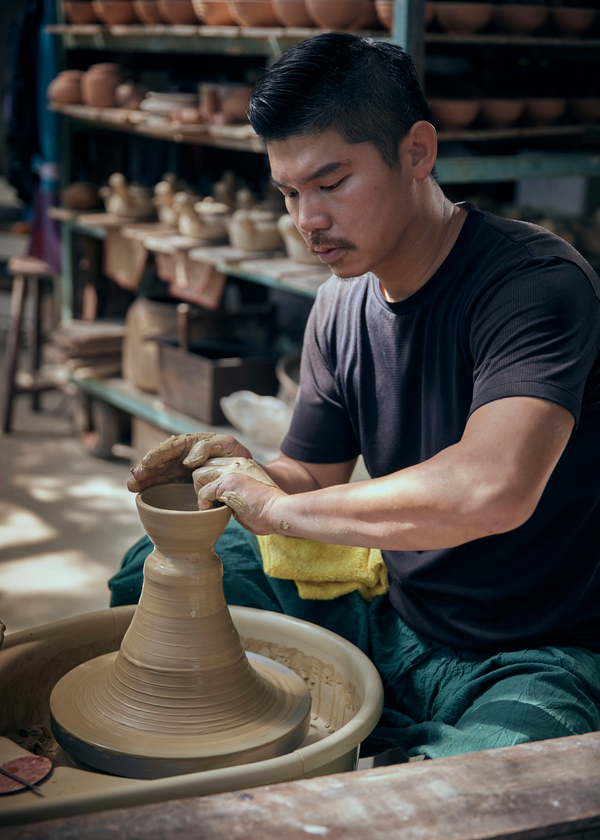
Petr Novák has been making teaware for more than two decades from his studio in the Czech Republic, and his work is used by tea drinkers around the world. He makes ceremonial pieces above all, shaped by his own practice of Cha Dao and built to sit easily in the hand and on the table.

He travels regularly to tearooms, tea gardens and potters' studios in Korea, China and Taiwan. The greater part of his growth, though, comes from sitting with tea himself and from what he learns from the people who use his pots every day.

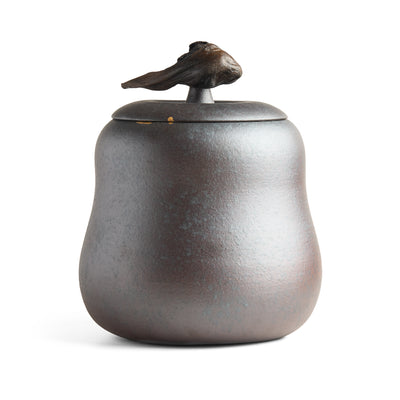
Teaware by Petr Novák

All of these pieces have found homes for now. Keep an eye out for new work soon.
Chen Qi Nan

Chen Qi Nan

Taiwan

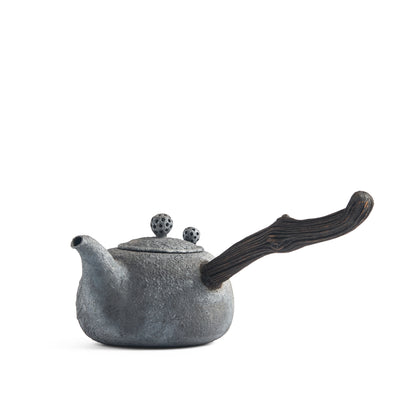
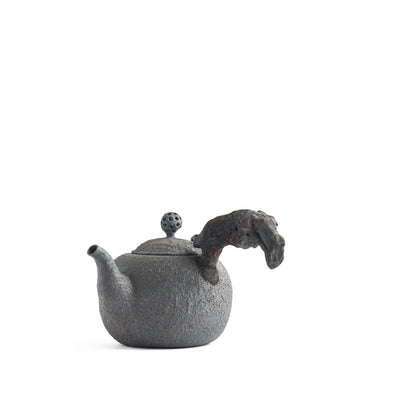
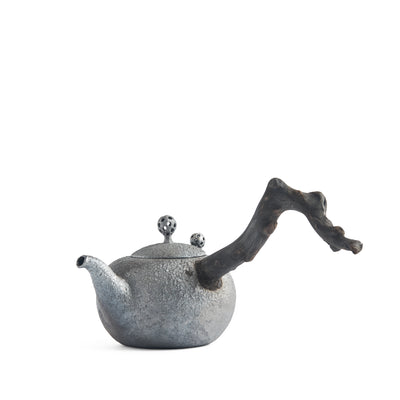
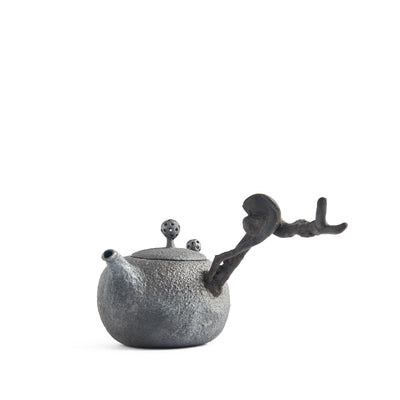
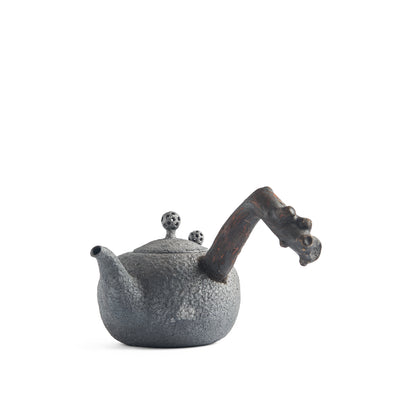
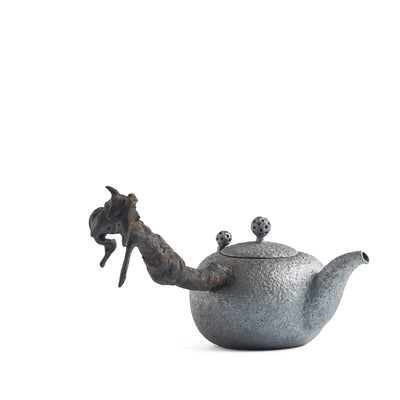
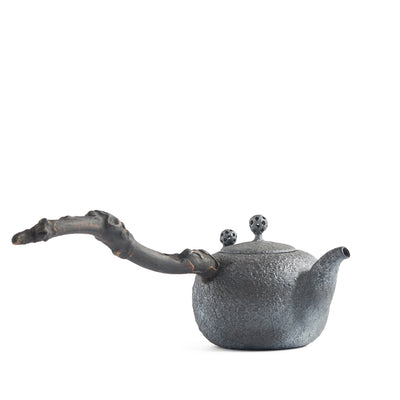
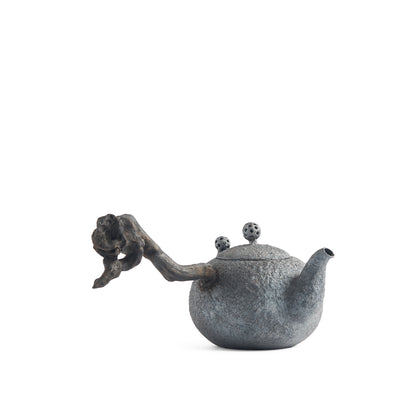
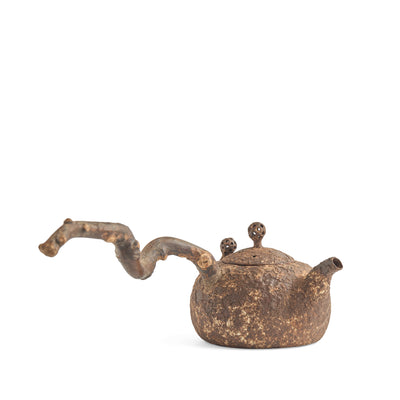
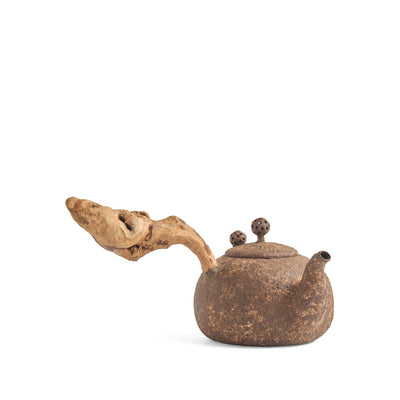
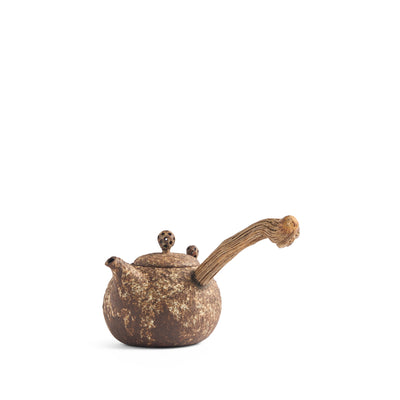
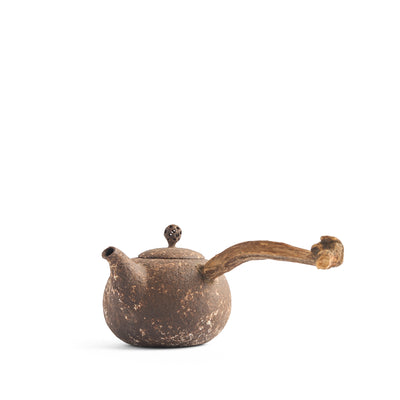
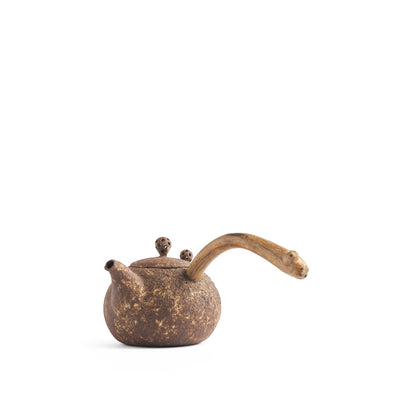
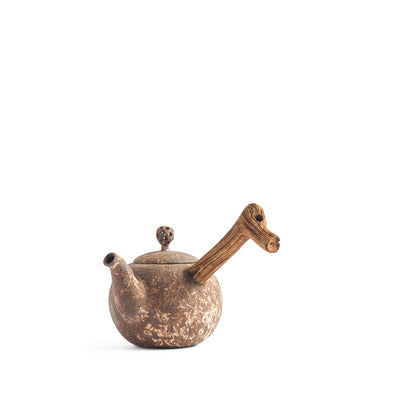
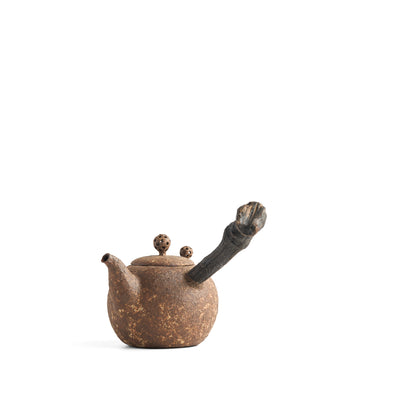
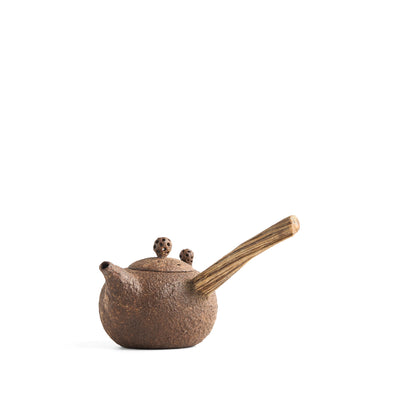
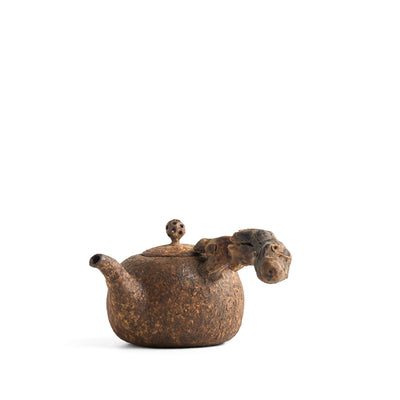
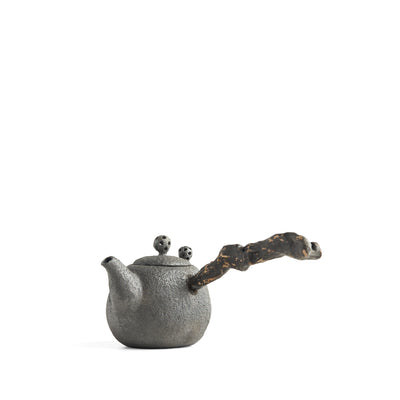
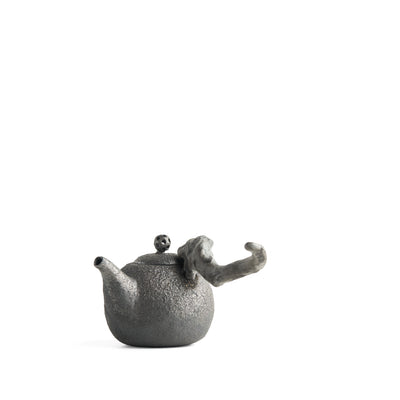
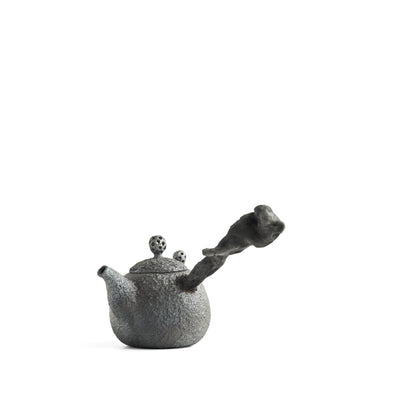
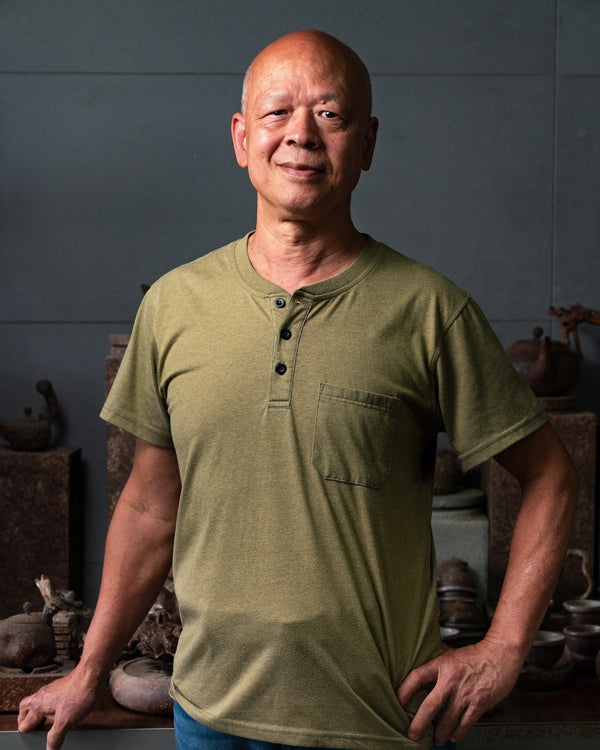
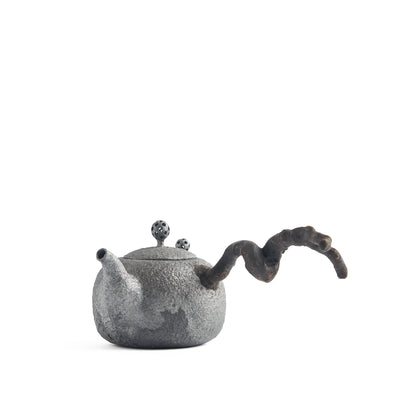
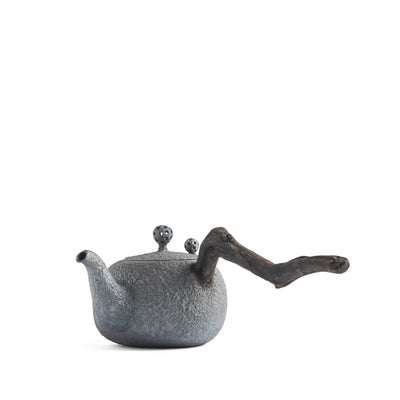
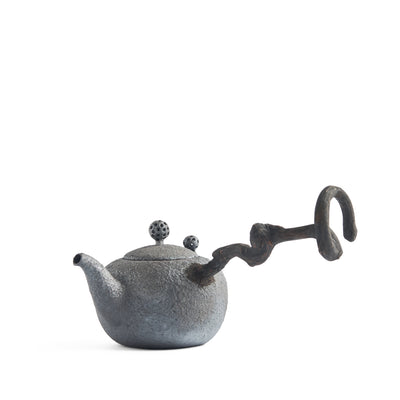
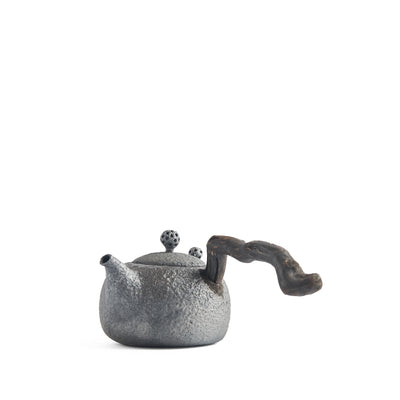
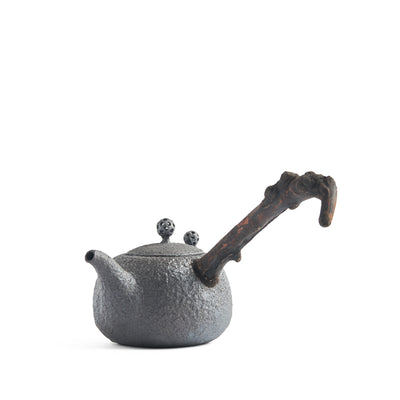
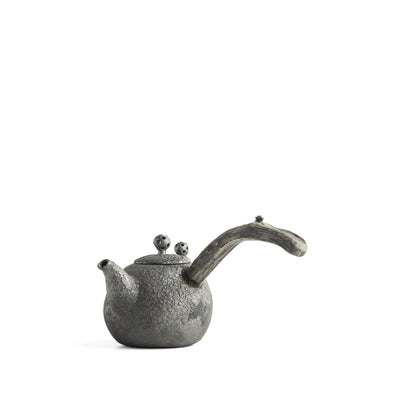
Chen Qi Nan (陳啟南) was born in 1960 in Taibao, Chiayi County, in southern Taiwan. He took a degree in electrical engineering and had built a career and a family before he first touched clay, beginning pottery lessons at twenty-seven under Master Qin Hua. In 1994 he left engineering to make his living from the work, opening the Eight Piece Ceramic Art Studio with his wife and six friends. The years that followed were lean. All six friends eventually returned to their old trades, and Chen sold plates and bowls from a roadside stand to keep the studio open.

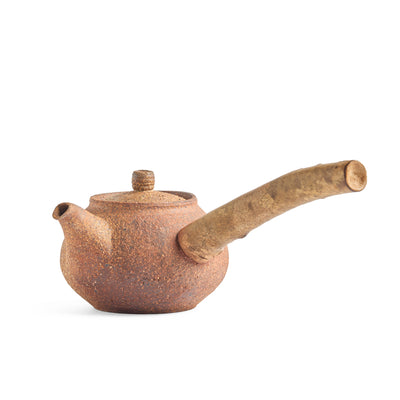
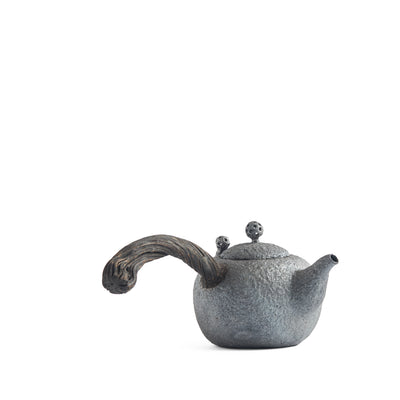
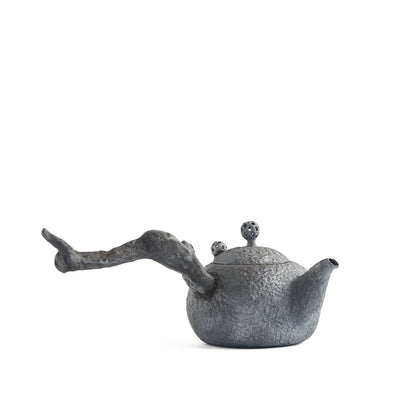
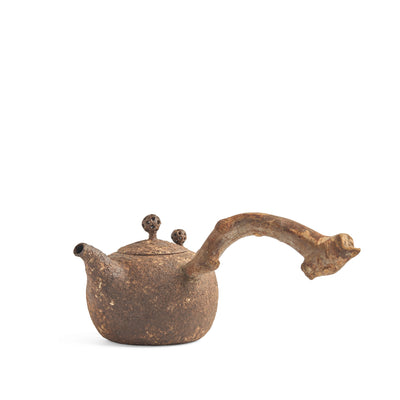
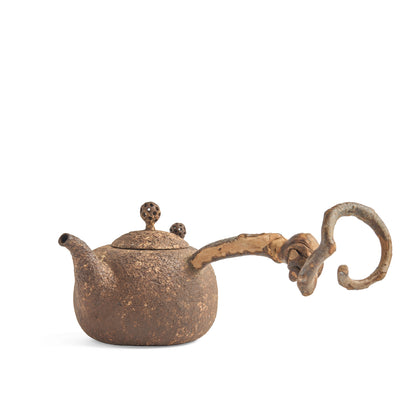
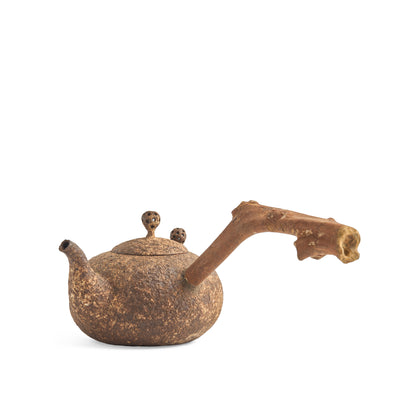
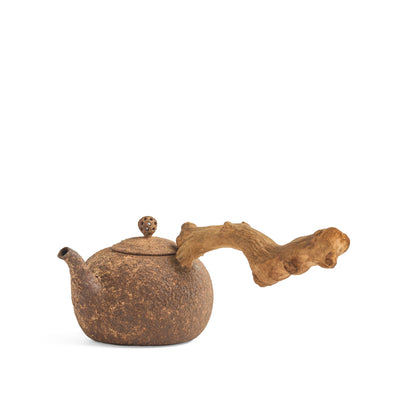
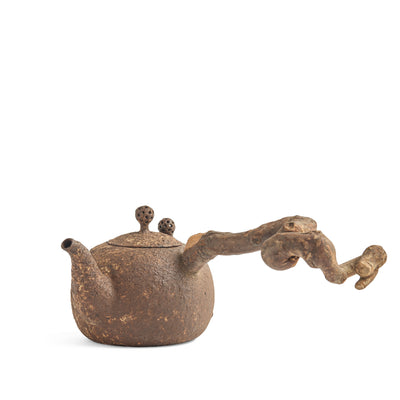
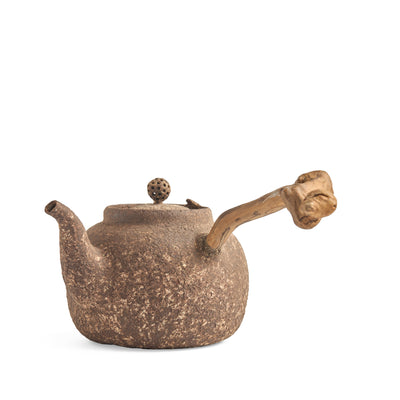
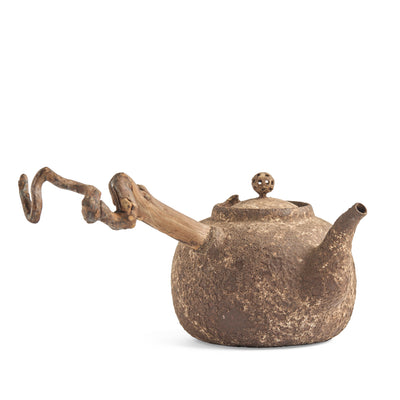
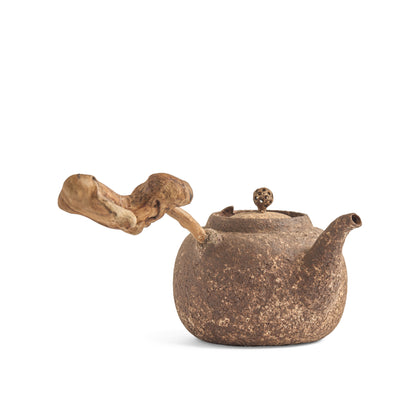
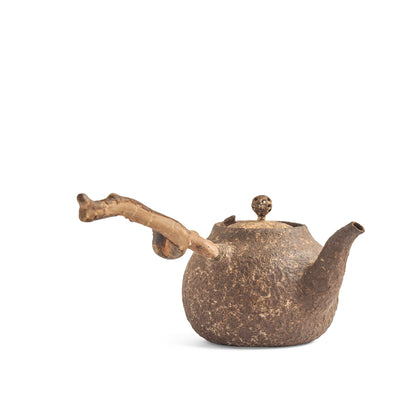
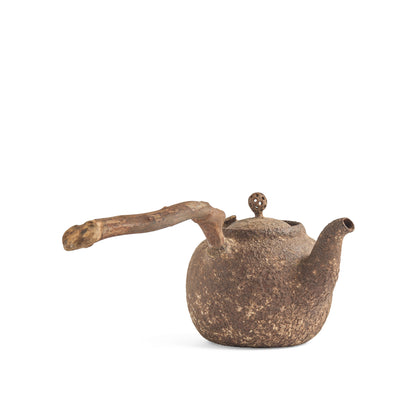
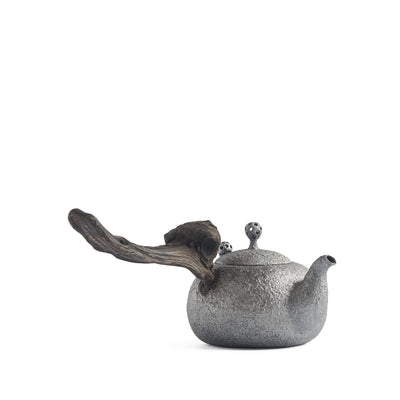
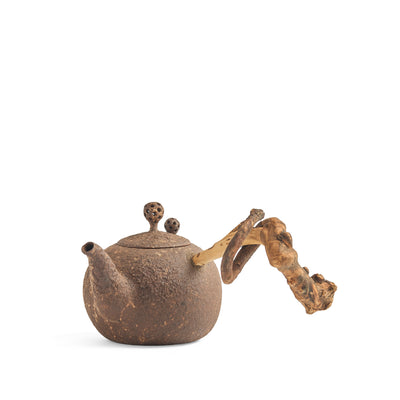
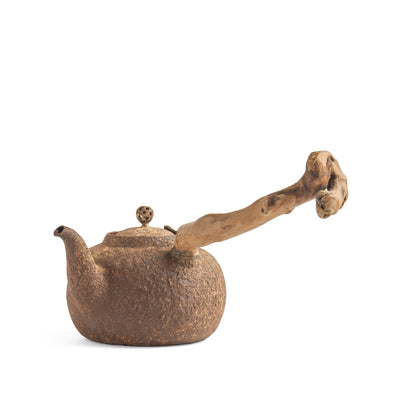
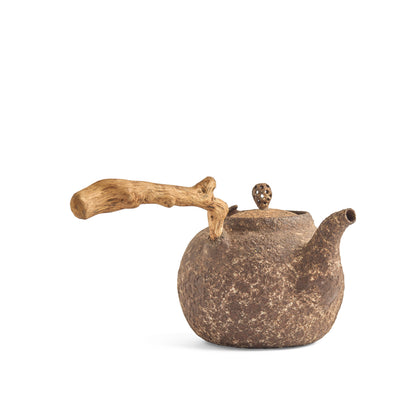
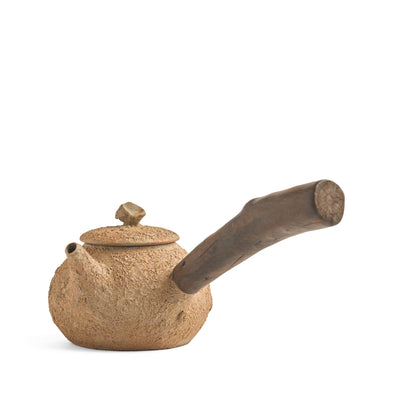
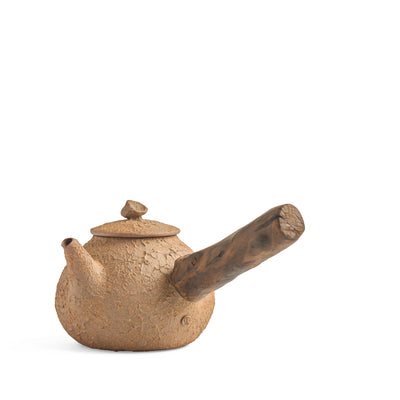
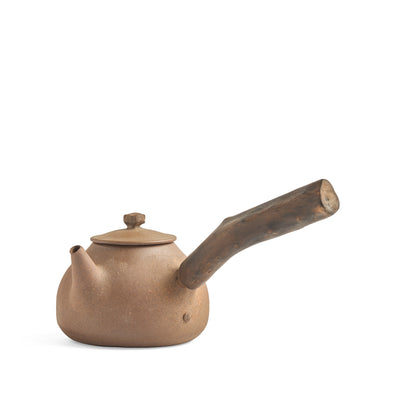
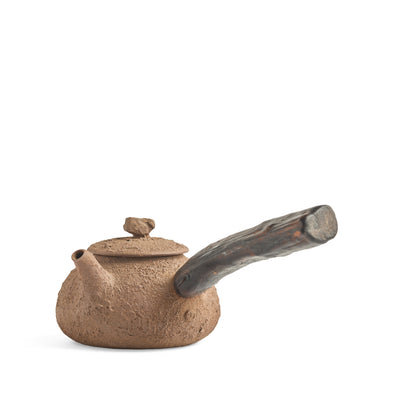
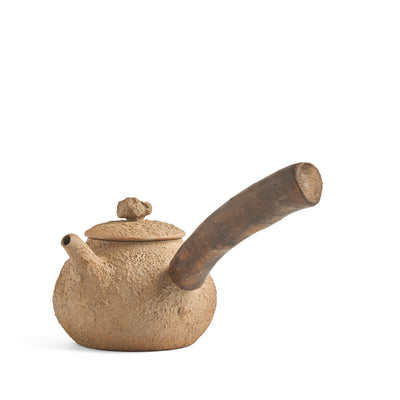
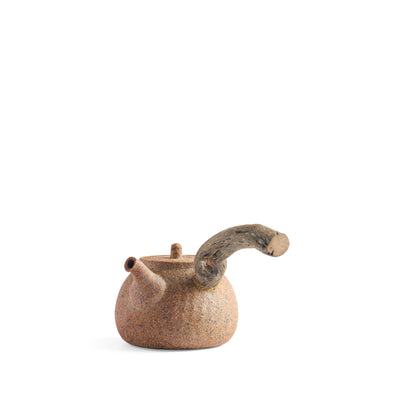
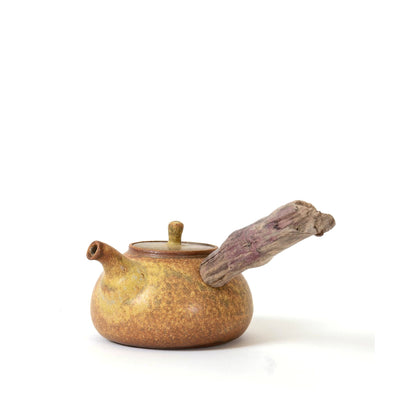
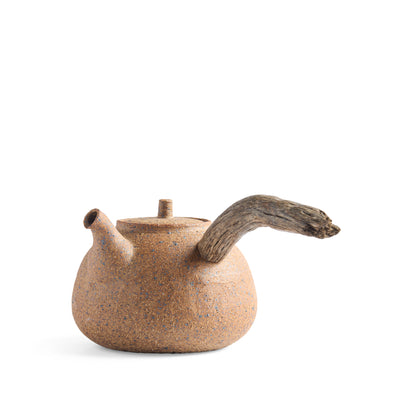
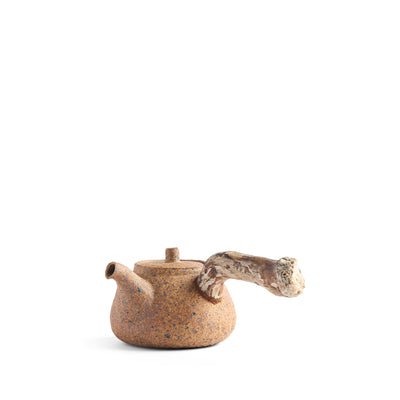
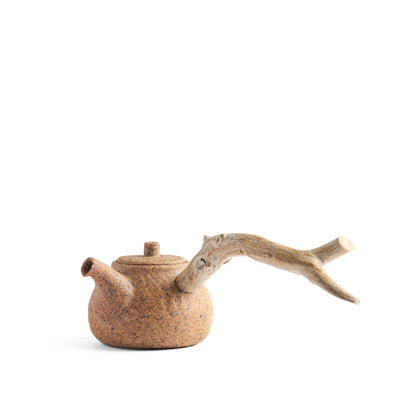
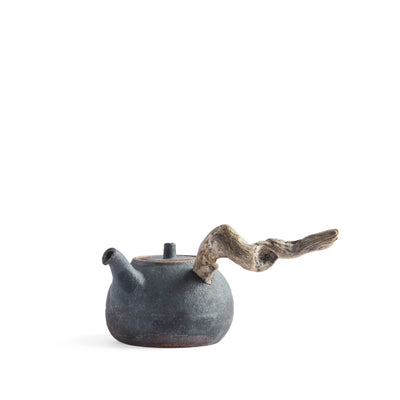
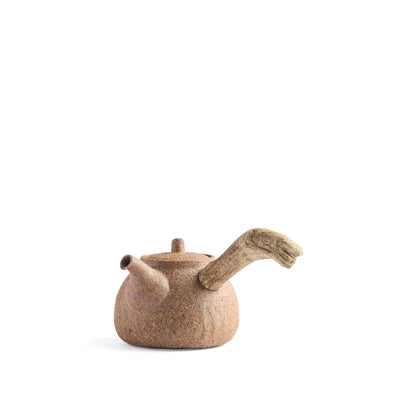
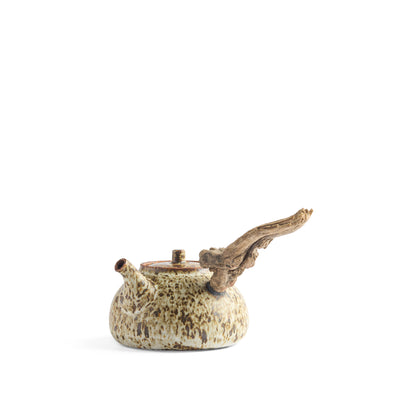
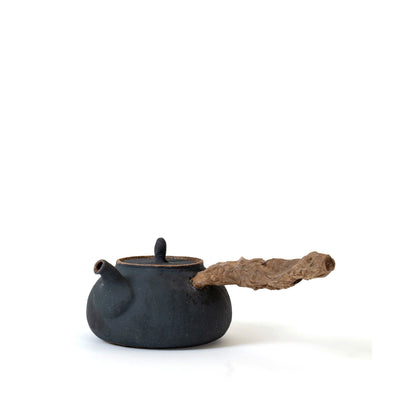
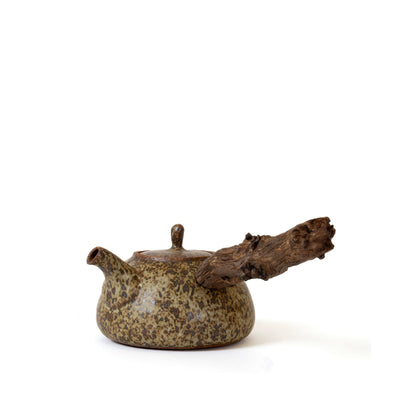
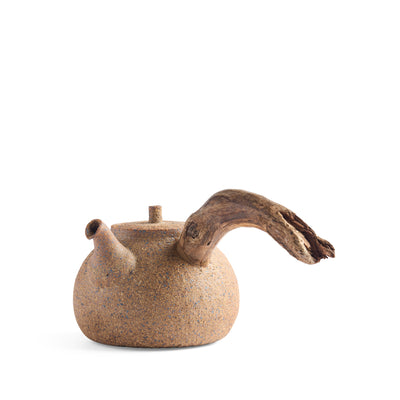
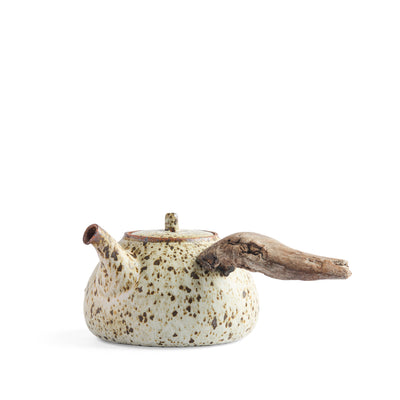
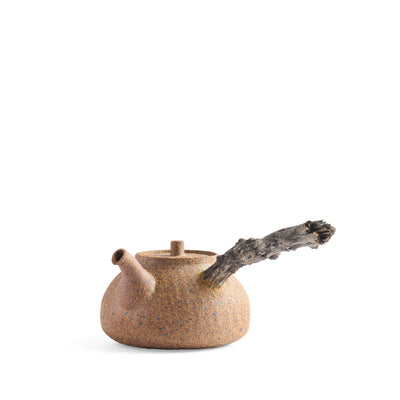
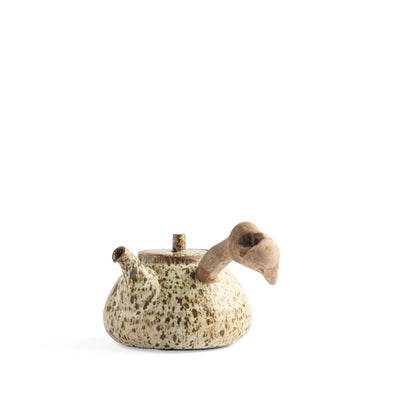
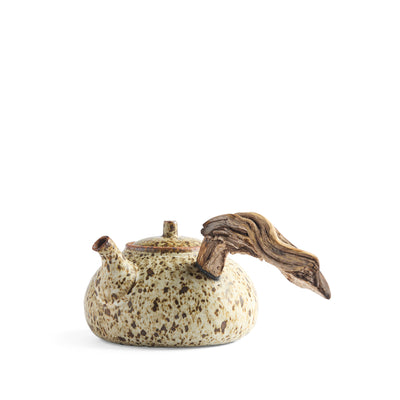
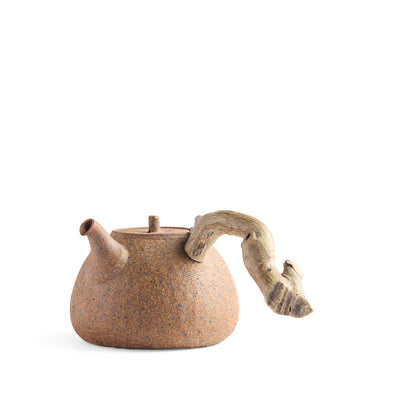
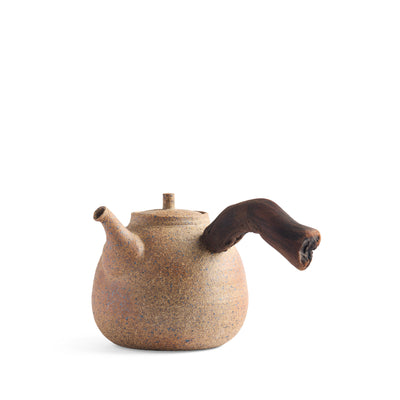
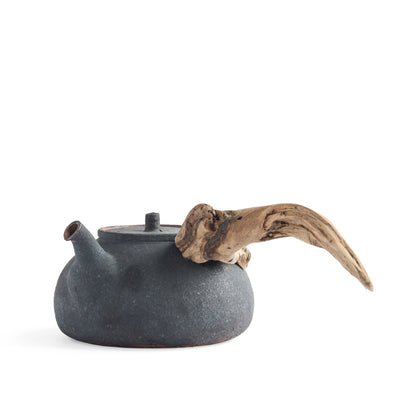
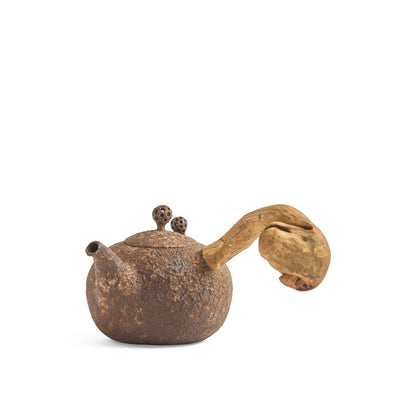
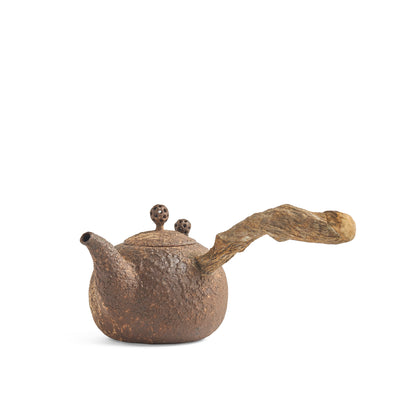
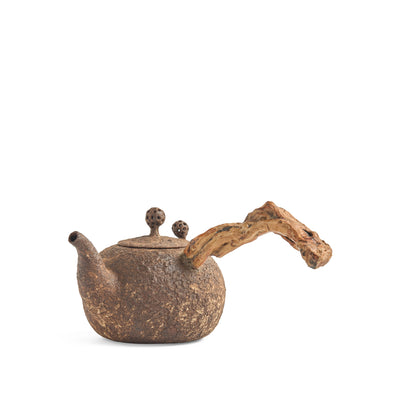
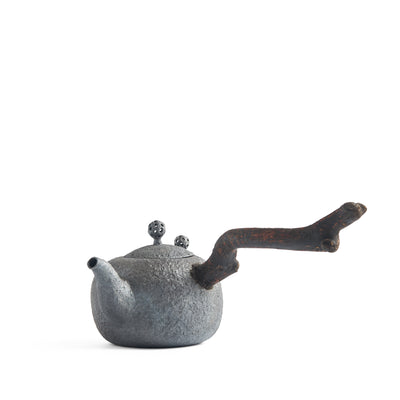
He tried engineering once more and found his heart was no longer in it. Decades of Qigong had taught him to listen closely to himself, and he chose to work without regard for accreditation or reward. Recognition followed in Taiwan, then abroad, for his sculpture as much as his teaware. His sidehandle pots and kettles are built from a clay blend of his own making, durable and unusually light in the hand. The handle wood comes from two sources: trees he grows and shapes himself, by techniques he developed, and roots and branches gathered on his walks in the mountains.

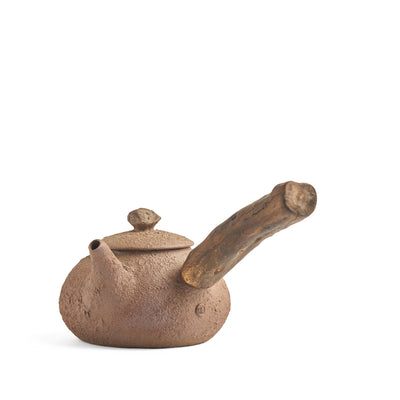
Teaware by Chen Qi Nan

All of these pieces have found homes for now. Keep an eye out for new work soon.
Peter Kuo

Peter Kuo

Taiwan

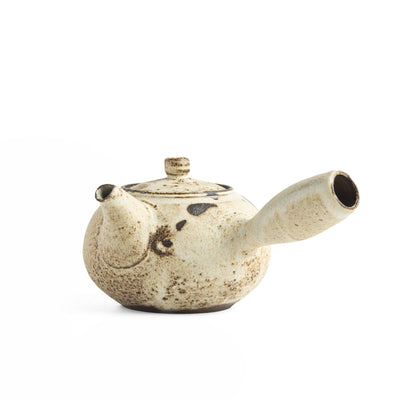
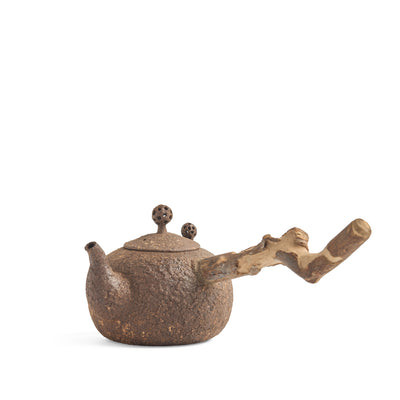
Peter Kuo (郭詩謙) is a Taiwanese ceramicist, born and raised in Yingge, and even from a young age felt an affinity to clay. He has a unique and creative soul that is expressed through his ceramics. He finds inspiration and materials in the natural world, using wood or bamboo for his teapot handles. Peter's wood-firing process is demanding but reflects his belief in working with elemental forces. He is driven by a desire to harmonize beauty and function, seeking to learn from tea practitioners, and always trying to find ways to improve his teaware.

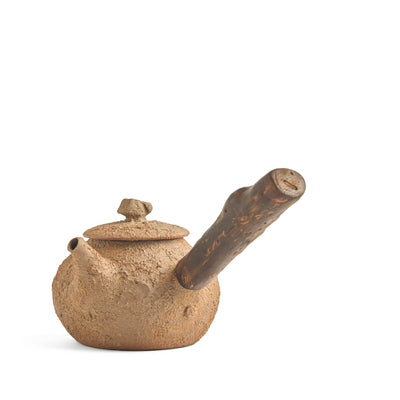
Teaware by Peter Kuo

All of these pieces have found homes for now. Keep an eye out for new work soon.
Tian Chengtai

Tian Chengtai

Taiwan

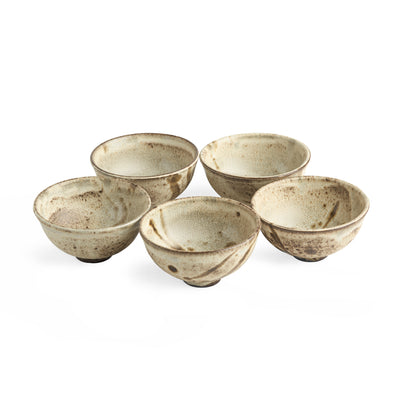
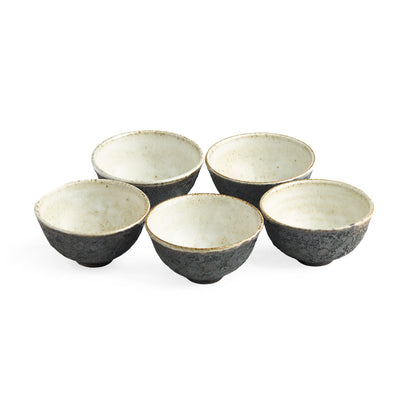
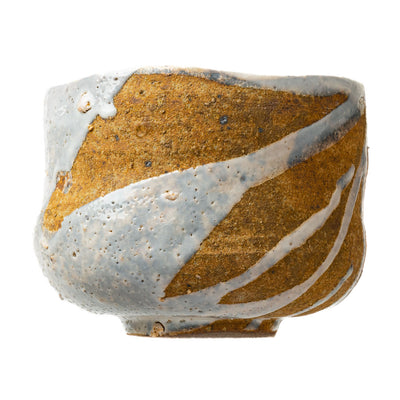
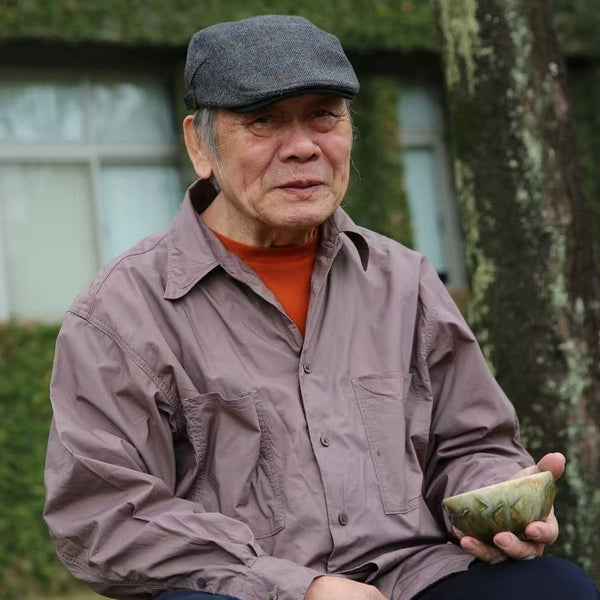
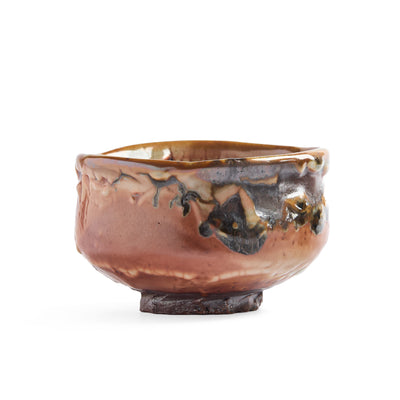
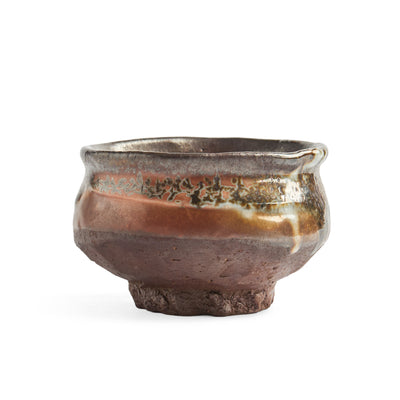
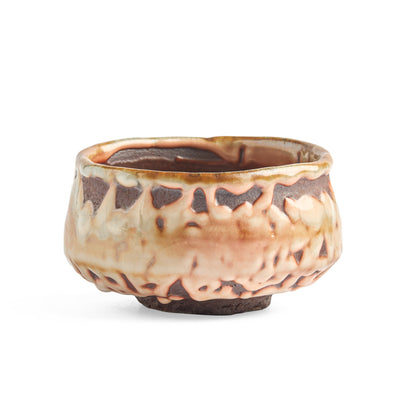
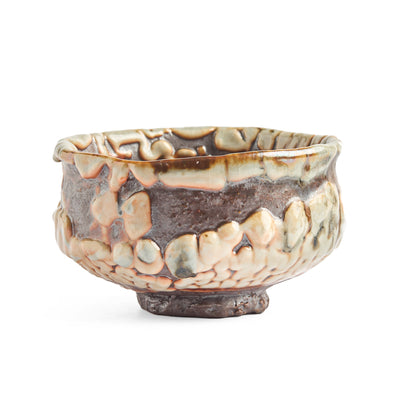
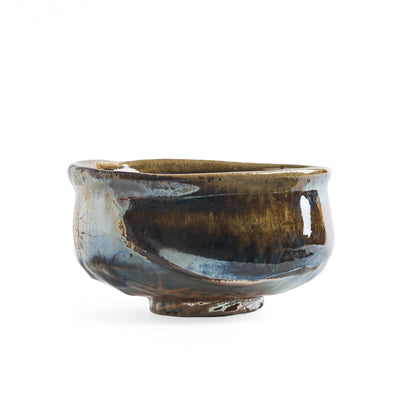
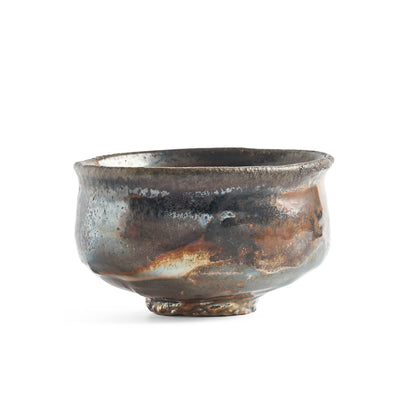
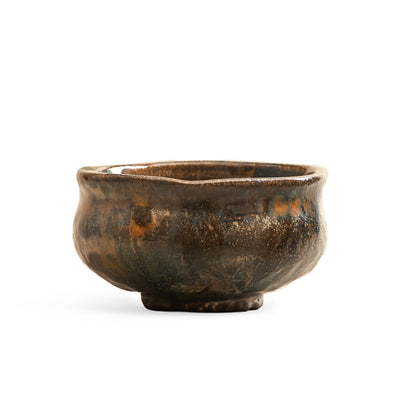
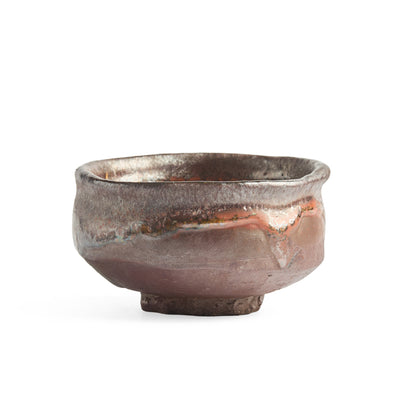
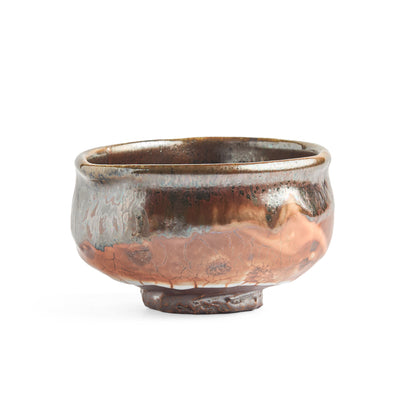
Tian Chengtai (田承泰) was born in 1952 in Nanzhuang Township, Miaoli County, a place of mountains, rivers, and quiet rural life that has remained the source and home of his work. He came to pottery late, beginning at the age of forty after years of trying his hand at business in the city. Returning home to Miaoli, he built a wood-fire kiln and spent six years making wares without selling a single piece. He works exclusively with local Miaoli mountain clay, throwing and trimming each bowl in a single unbroken session, and fires his pieces over three days and nights using only the ash of collected driftwood as glaze. Of the roughly three hundred pieces in each firing, he considers thirty a success, and those that fall short are smashed without hesitation.

His bowls fit naturally to the hands and lips, opening the energy of Taiwanese teas in a way that feels inseparable from the island's own soil. He has always reminded collectors that his bowls are made to be used, not admired on a shelf.

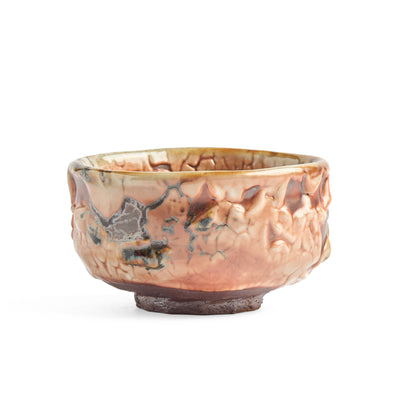
Bowls by Tian Chengtai

All of these pieces have found homes for now. Keep an eye out for new work soon.
Ai Yi Lin

Ai Yi Lin

Taiwan

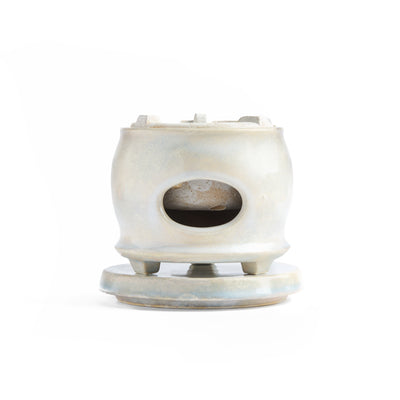
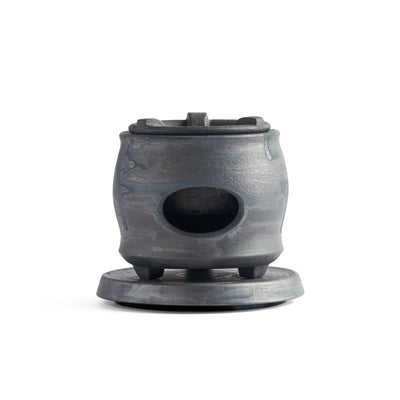
Ai Yi Lin (愛一) is a Taiwanese ceramic artist based in Keelung, Taiwan. She has a passion for exploring the diverse expression of ceramic wares in daily life. Her work primarily focuses on flower vases and charcoal braziers. She is continually experimenting with designing unique charcoal braziers that are a beautiful fusion of more traditional designs with new shapes and styles that seek to achieve a harmonious balance between functionality and aesthetics.

Charcoal Braziers by Ai Yi Lin

All of these pieces have found homes for now. Keep an eye out for new work soon.
Alina Zakharova

Alina Zakharova

Russia

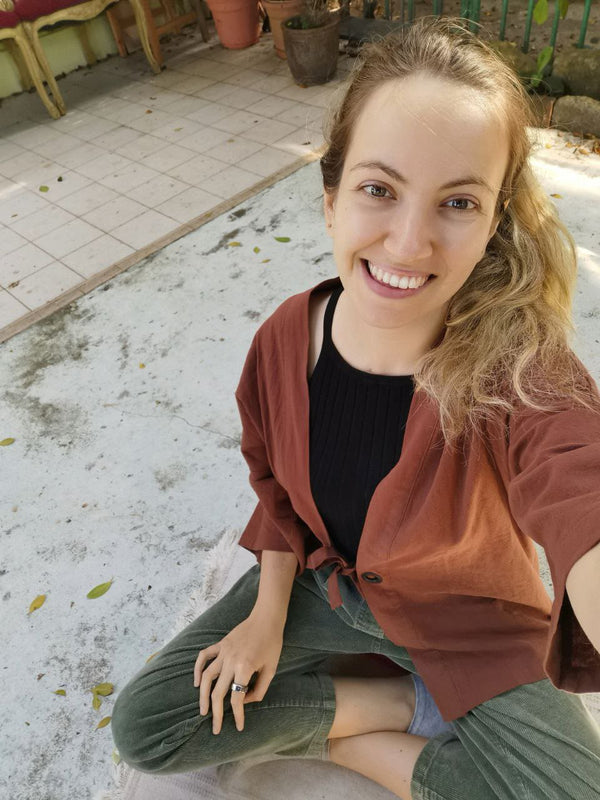
Alina has spent most of her life in Russia, though her roots are in the vibrant and beautiful city of Tashkent, Uzbekistan. A life of Cha Dao has offered her the gentle space to connect with herself and the world around her more deeply. It is this experience that has fostered a broader conversation with her environment, which has inspired her journey with creating handwoven chabu. She is always exploring new ways of creating chabu that are unique expressions of the world around her.

Handwoven Chabu by Alina Zakharova

All of these pieces have found homes for now. Keep an eye out for new work soon.
Ho Wei Jen

Ho Wei Jen

Taiwan

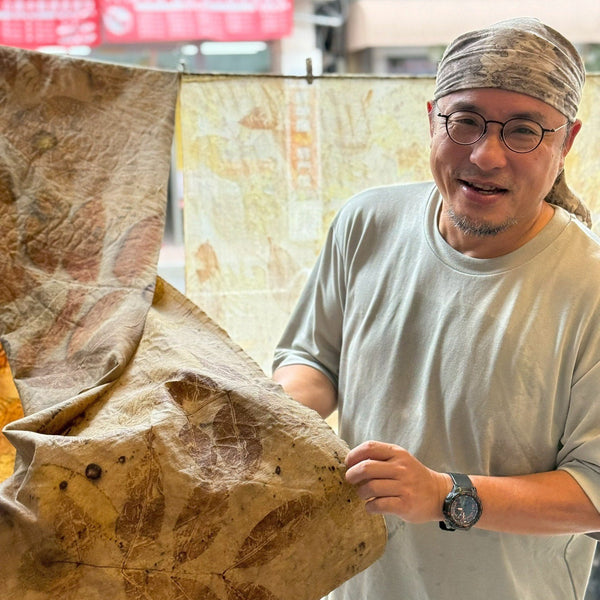
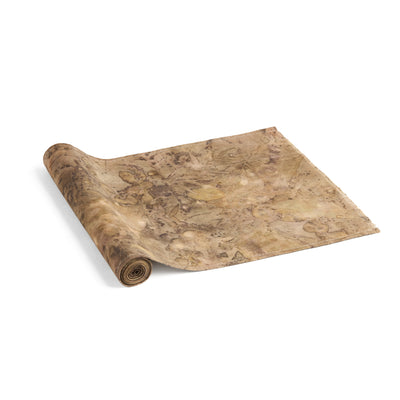
Ho Wei Jen (何維仁) graduated from the Department of Fine Arts, Western Painting Division, at Tunghai University, and worked as a graphic designer in the publishing industry in Taipei for many years before beginning his journey into working with fabric and plant dye. It began by chance, evolving from a personal interest into a side business, and eventually becoming his main profession. He started dyeing fabric specifically to make bags, aiming to give his products a distinctive identity. This evolved over time into working with natural dyeing techniques to create chabu, each one beautifully unique and an expression of the dialogue between the fabric and the plants used for dyeing.

Plant-dyed Chabu by Ho Wei Jen

All of these pieces have found homes for now. Keep an eye out for new work soon.
Tao Weng

Tao Weng

Taiwan

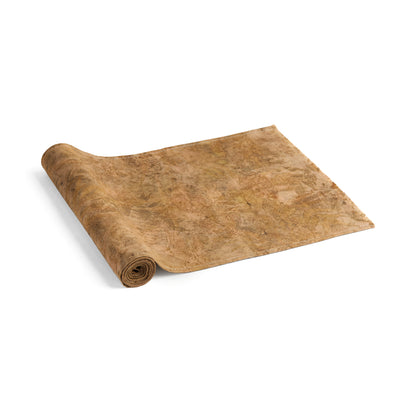
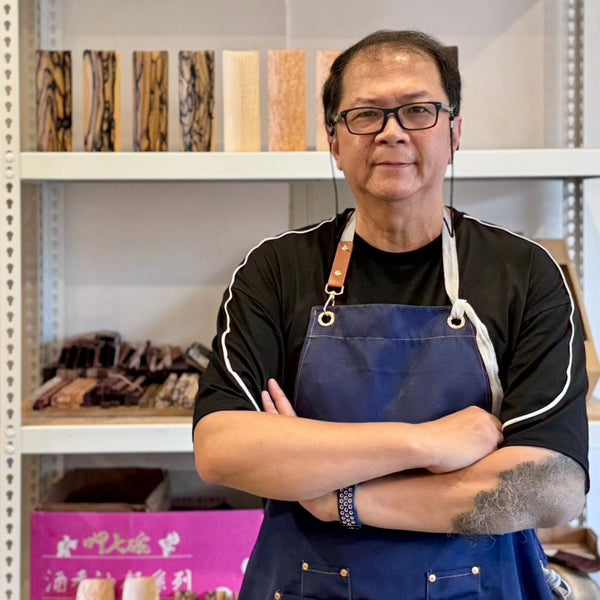
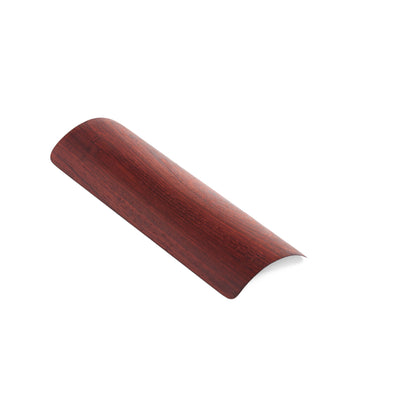
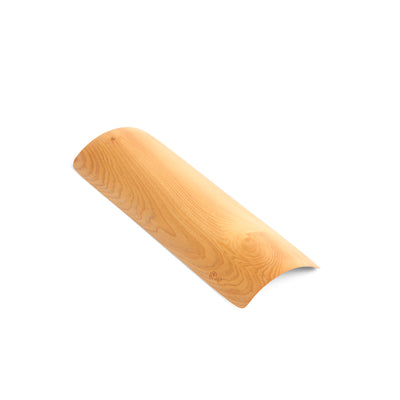
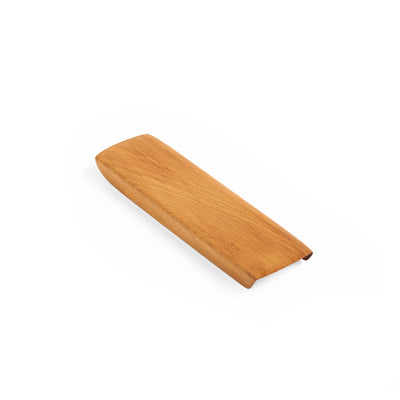
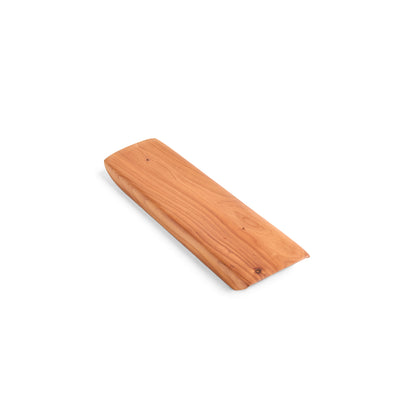
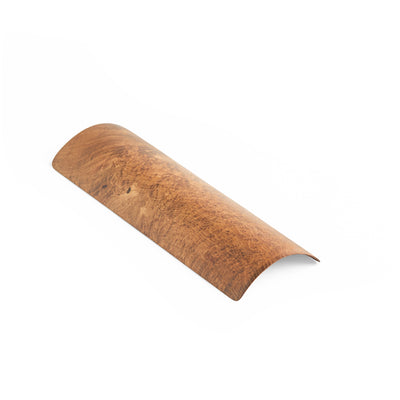
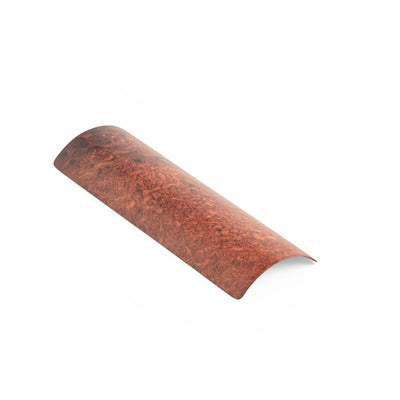
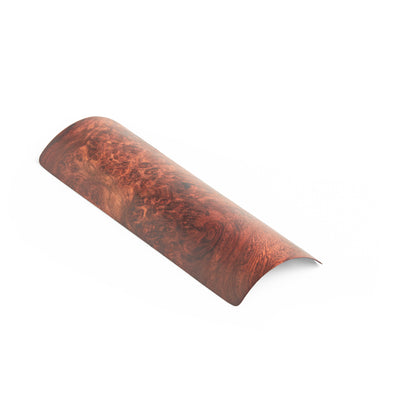
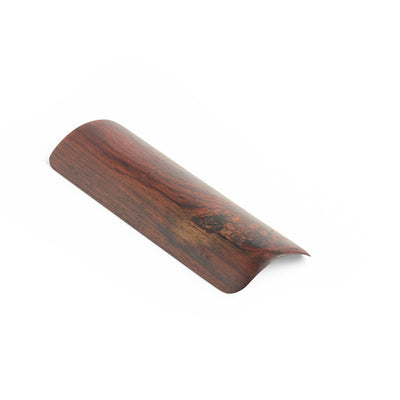
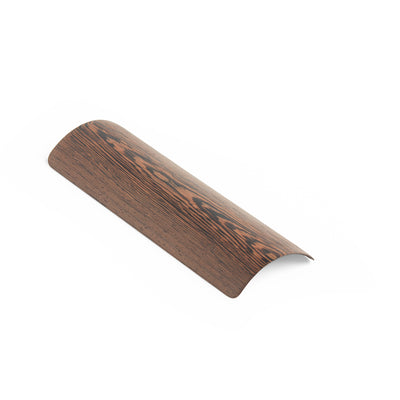
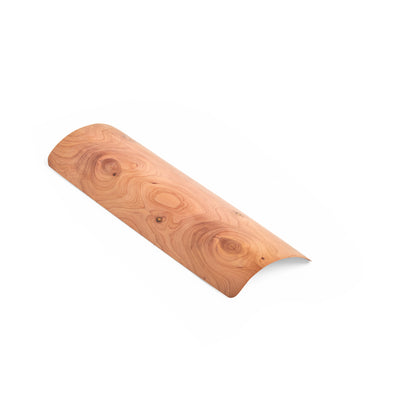
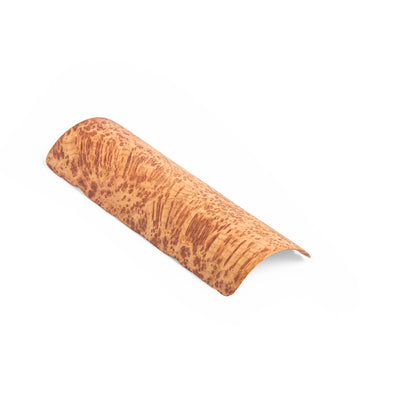
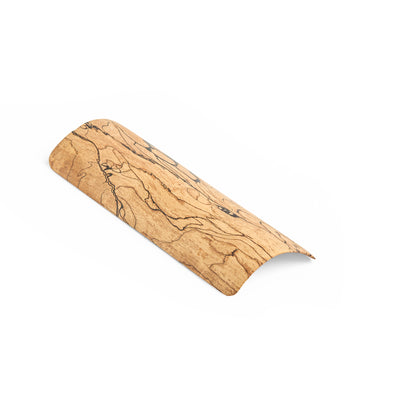
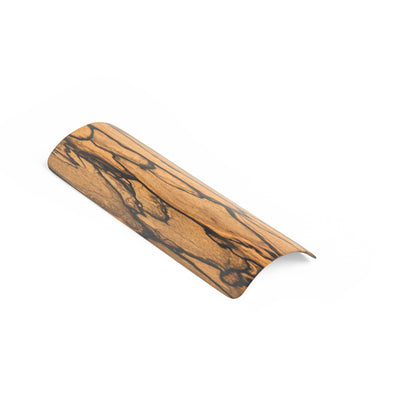
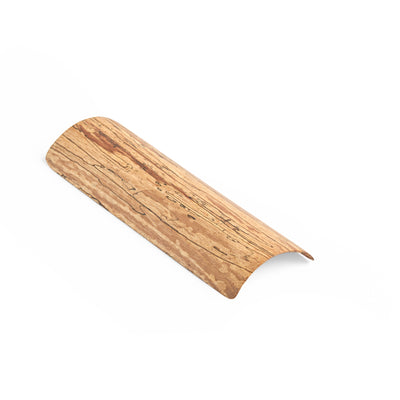
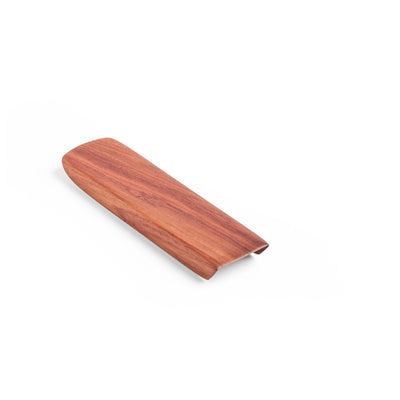
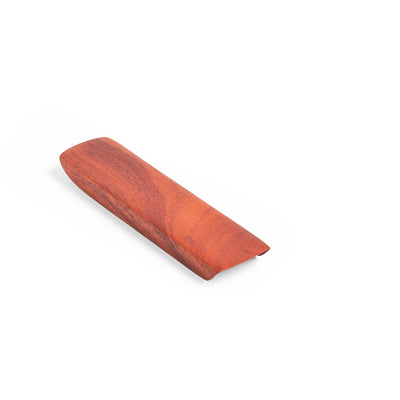
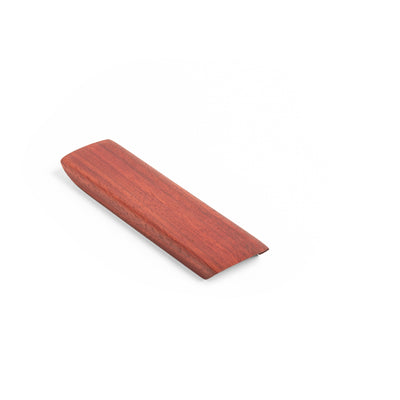
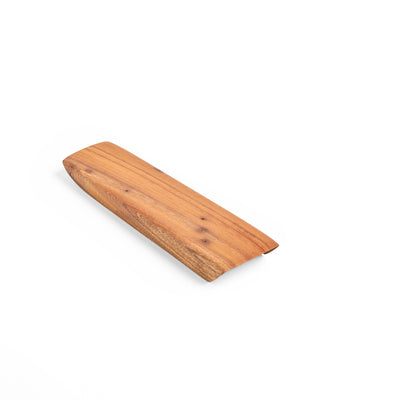
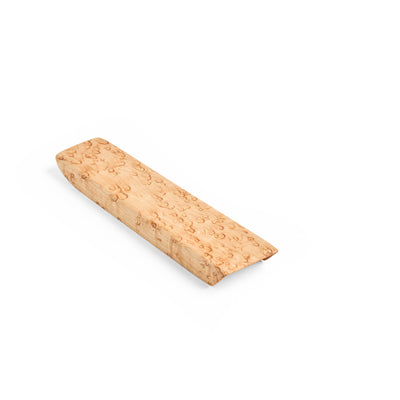
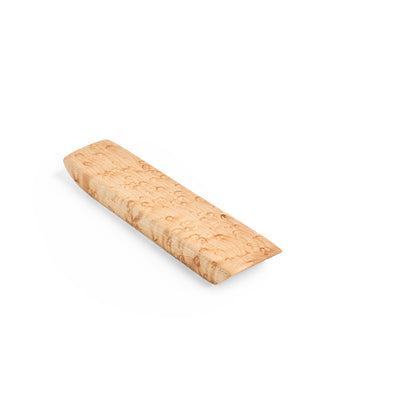
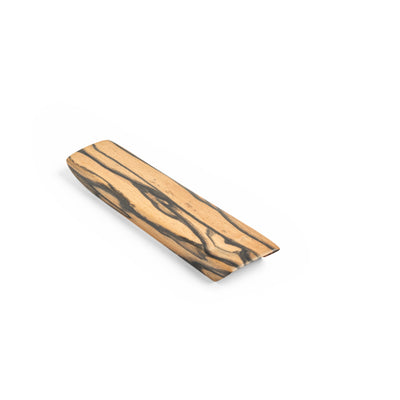
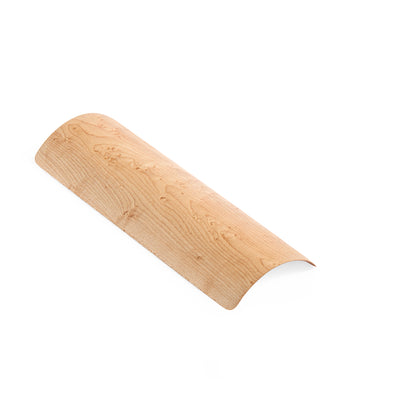
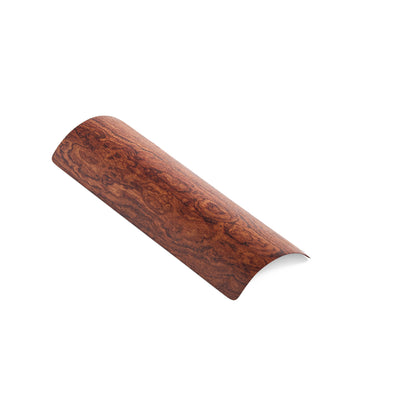
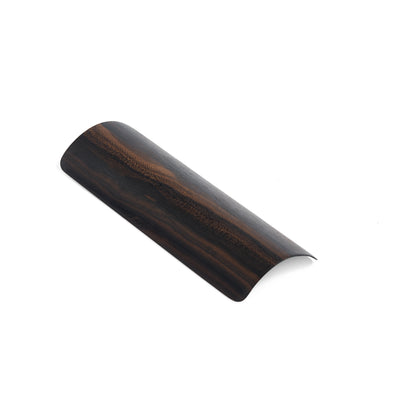
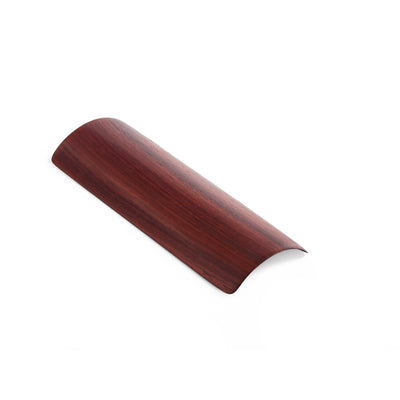
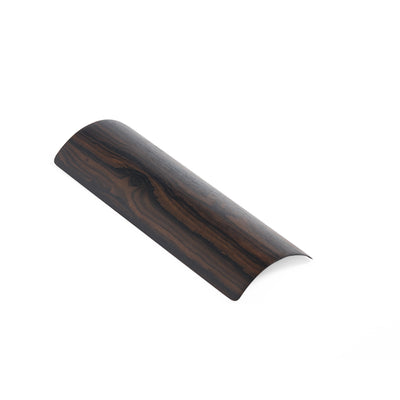
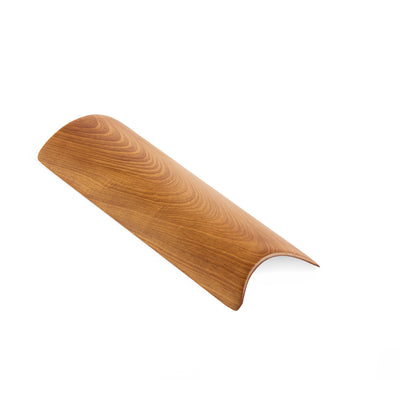
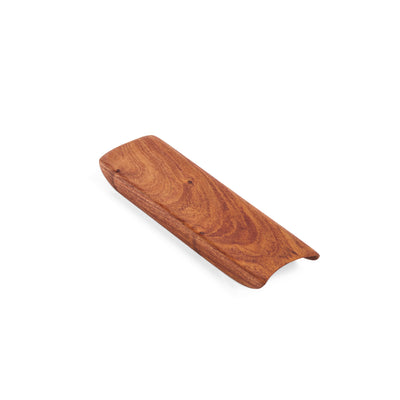
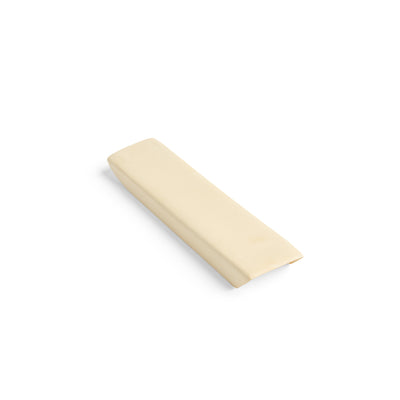
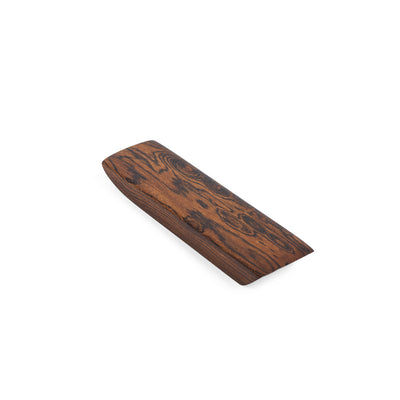
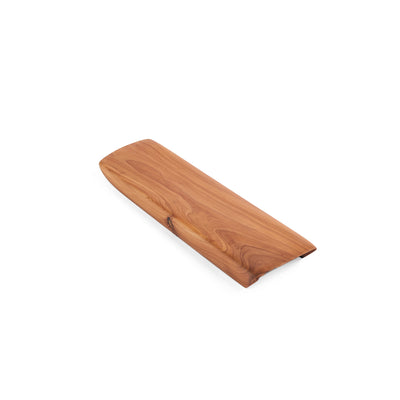
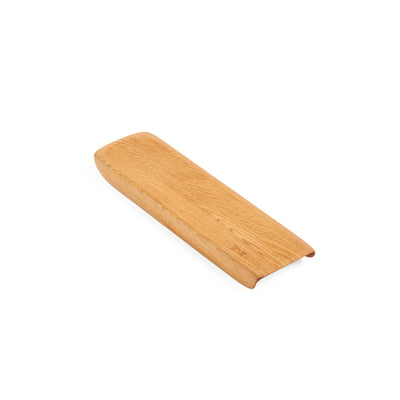
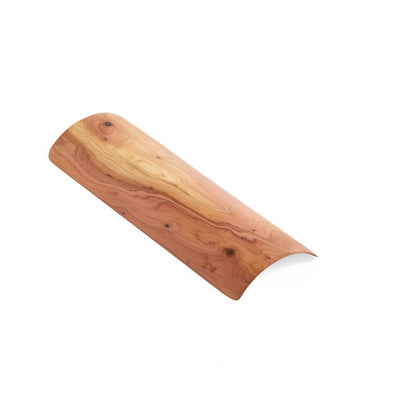
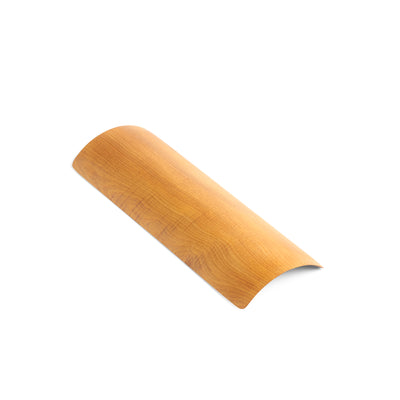
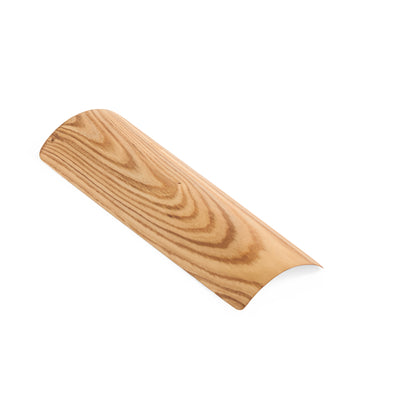
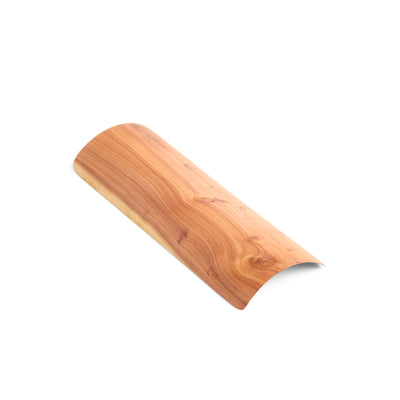
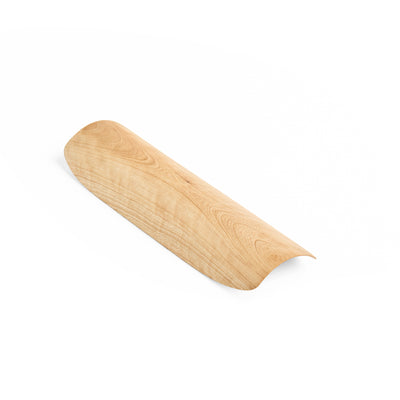
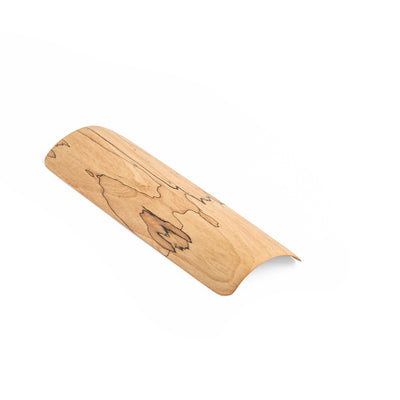
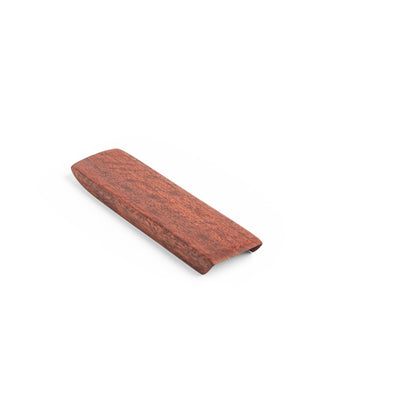
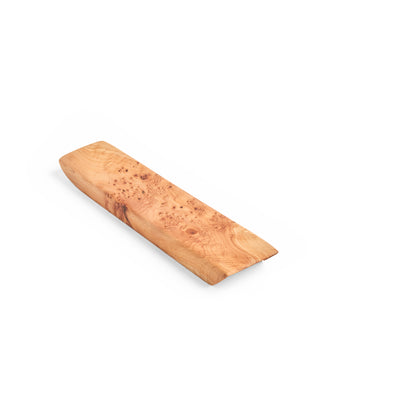
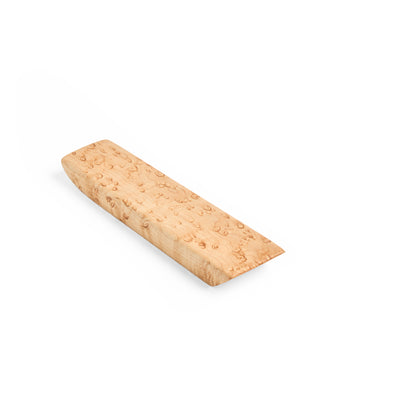
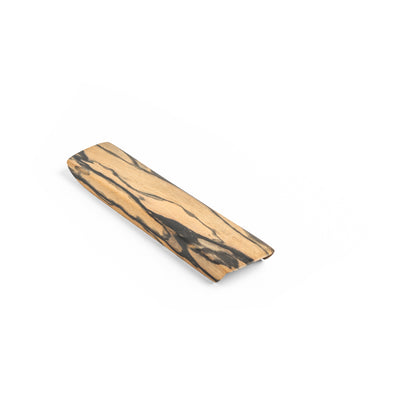
Tao Weng (陶翁) is a Taiwanese artist who spent his career in the industrial world of architectural tile manufacturing before discovering his true passion for the delicate artistry of teaware. Originally a collector, his appreciation for tea culture eventually evolved into a specialized craft of creating tea scoops. Though often overshadowed by the teapot, Tao Weng views the tea scoop as a vessel that carries the "soul" of the tea ceremony. What began as a personal quest to create teaware for his own practice has grown into a mastery for expressing the uniqueness of wood through each scoop he skillfully crafts over many hours.

Tea Scoops by Tao Weng

All of these pieces have found homes for now. Keep an eye out for new work soon.
Michael Sharf

Michael Sharf

United States

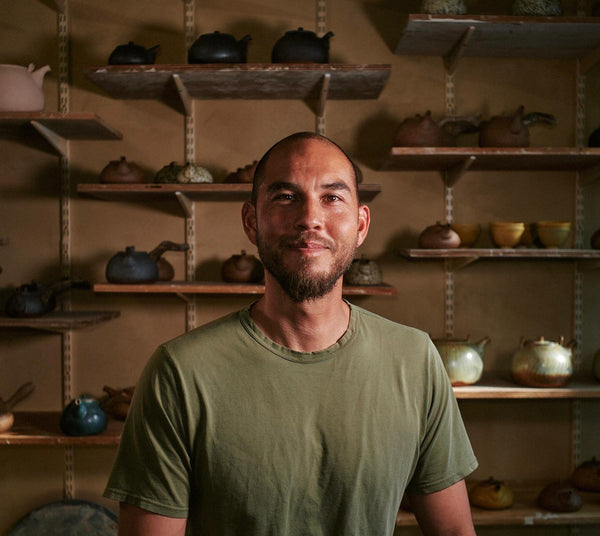
Michael Sharf works from a pottery studio and woodshop in Ojai, California, making contemporary objects for tea ceremony. He grew up in Northern California and trained in woodworking and ceramics from the age of eight. His work follows what he takes to be the teachings of tea: a reconnection with nature, which we are part of; with presence, which our digital lives pull us away from; and with a reverence for objects that global trade has obscured.

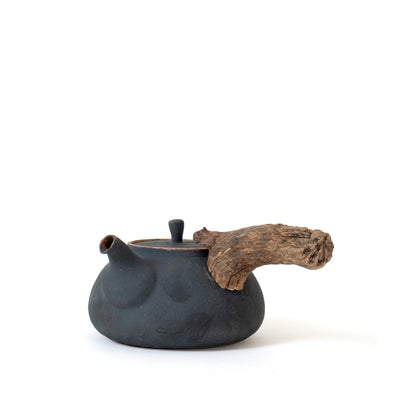
His teapots are thrown on the wheel in stoneware and flameware clay, then fired to cone 11 in reduction, where the oxygen-starved flame draws subtle shifts of tone and texture from the minerals in the clay. Interiors are usually left unglazed so they take on a patina over years of use. The wooden handles come from branches and roots he gathers while surfing or hiking. He lets the material lead, sometimes throwing a pot to suit a piece of wood, sometimes waiting until a vessel is finished before choosing its handle, then working the two to fit precisely.

Teaware by Michael Sharf

All of these pieces have found homes for now. Keep an eye out for new work soon.
Sedona Rigsby

Sedona Rigsby

United States

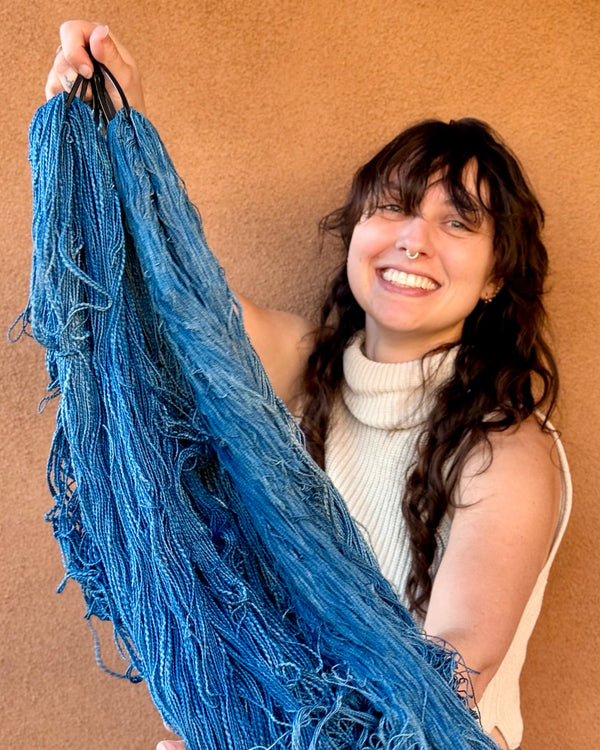
Sedona Rigsby is a weaver, second-generation designer, and craftswoman who alchemizes plants into cloth in her Santa Fe studio. She works with natural fibers and dyes on a variety of wooden looms, reshaping the perception of fabric itself. Sedona believes weaving is one of humanity’s oldest technologies, and that it’s in our bones. When we touch or wear something made in the old and slow way, we connect to our ancestors and to all of humanity.

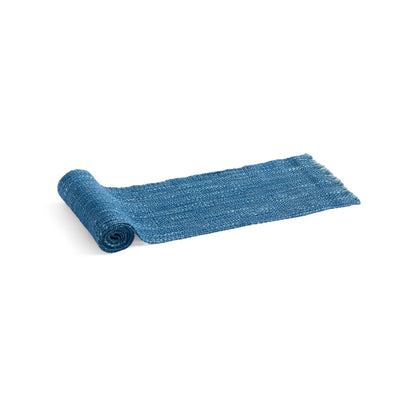
Her passion lies in creating heirloom goods such as wall hangings, garments, and functional pieces made from handwoven textiles. The chabu offered here brings together her two loves, weaving and tea, and reflects her ongoing exploration of how these practices intertwine.

Handwoven Chabu by Sedona Rigsby

All of these pieces have found homes for now. Keep an eye out for new work soon.
Jasmine Nunns

Jasmine Nunns

United Kingdom

Jasmine Nunns has learned from indigenous weaving teachers in several parts of the world, and she carries that teaching with respect for the traditions behind it and for their long stewardship of land and plants.

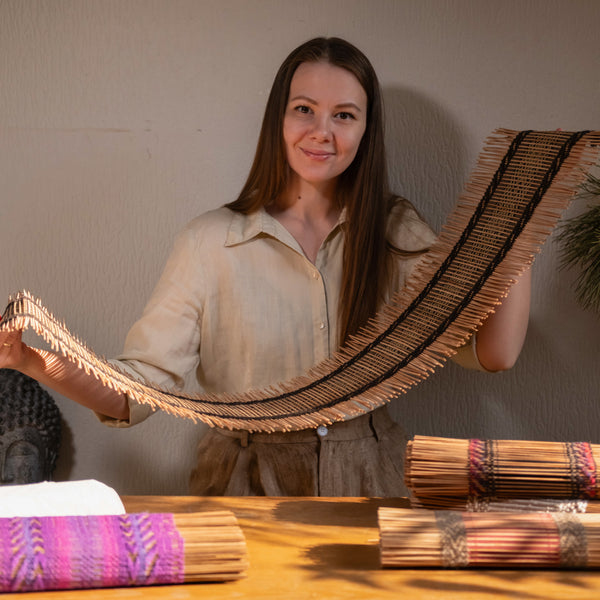
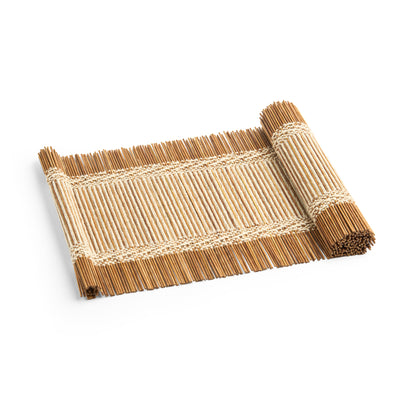
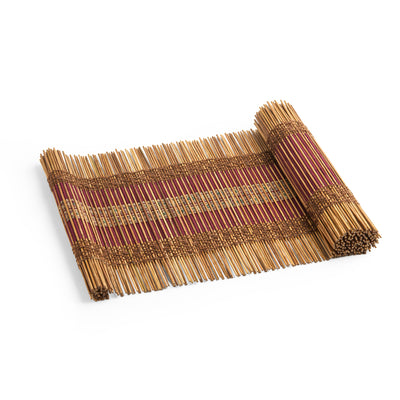
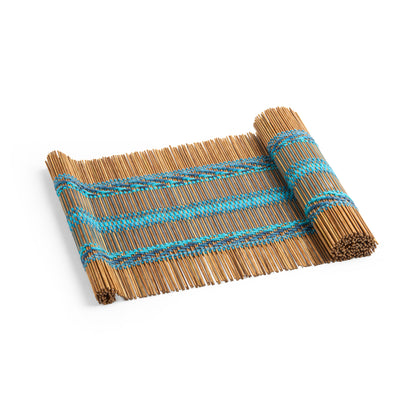
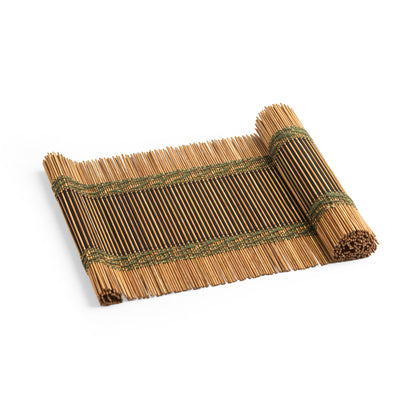
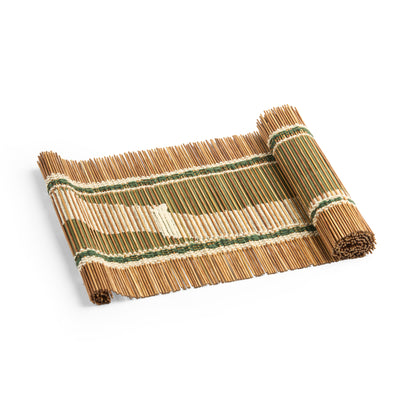
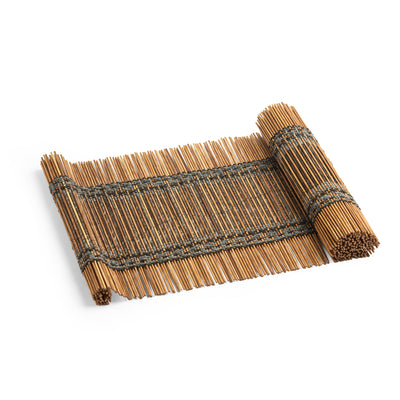
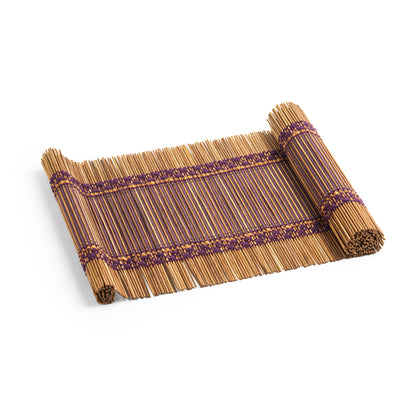
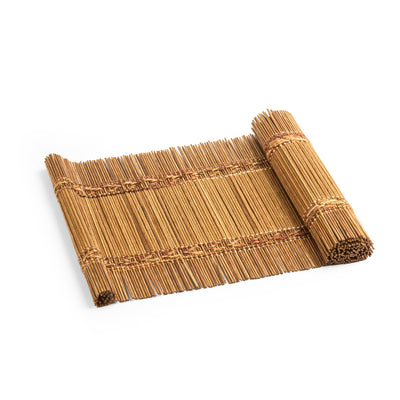
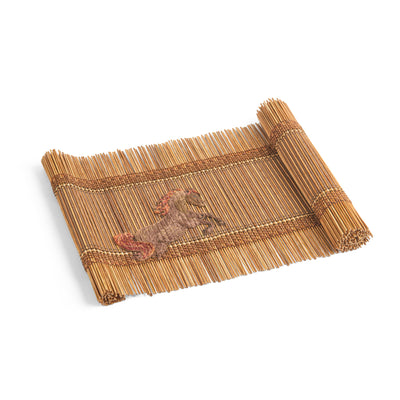
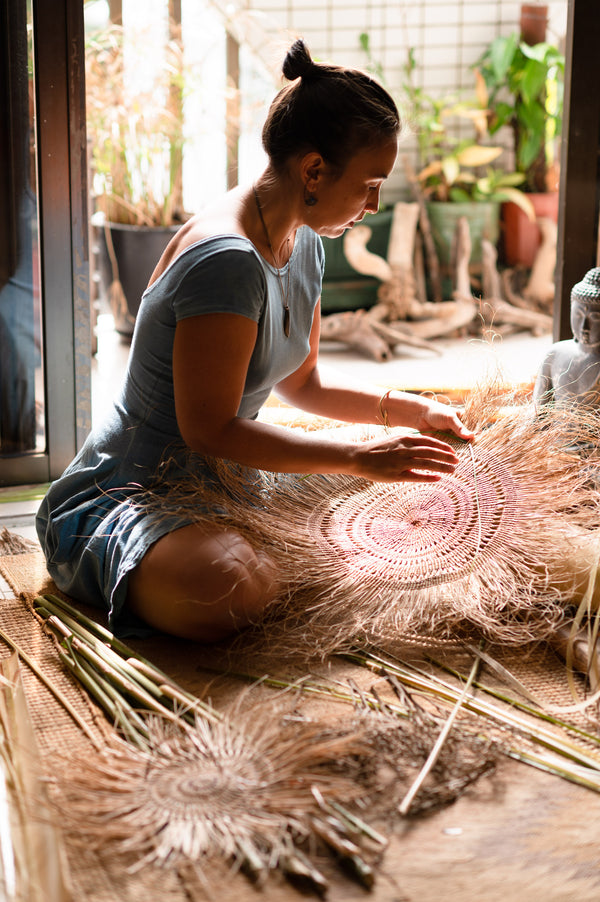
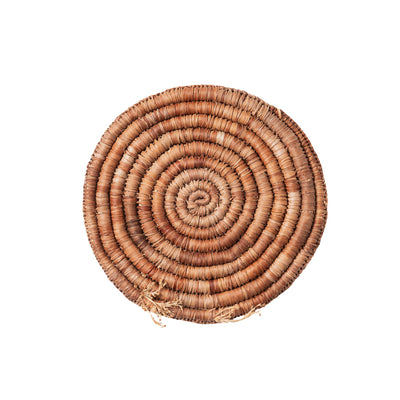
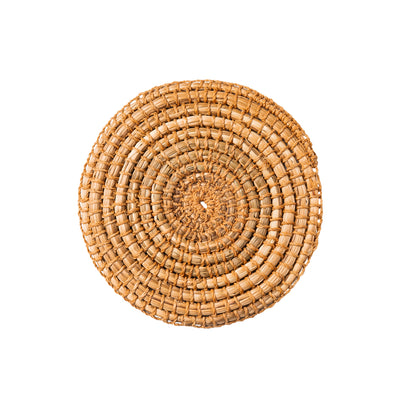
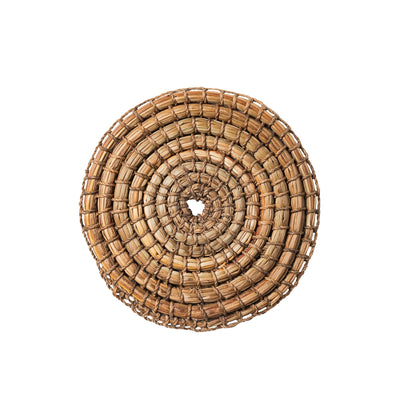
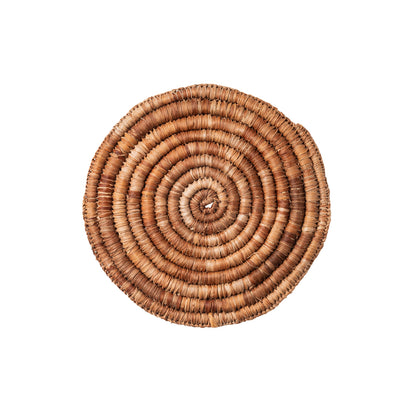
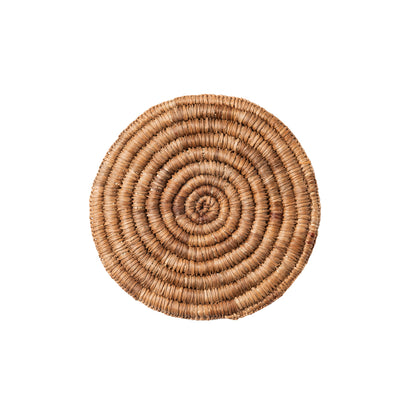
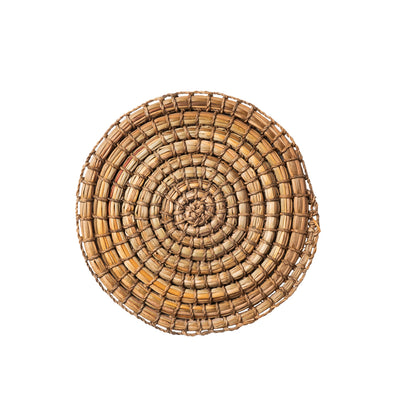
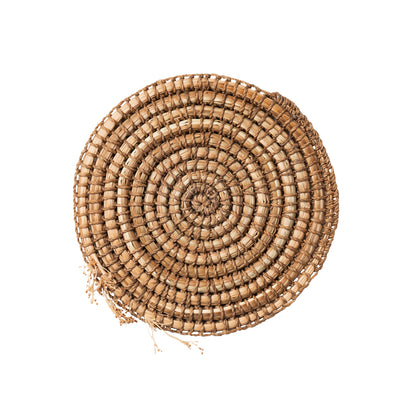
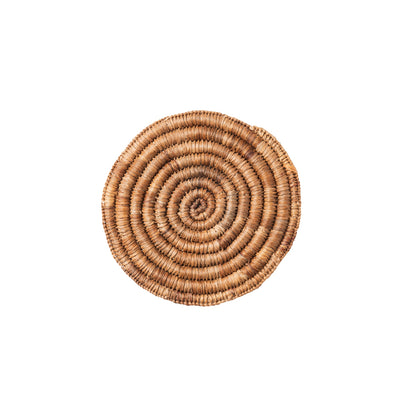
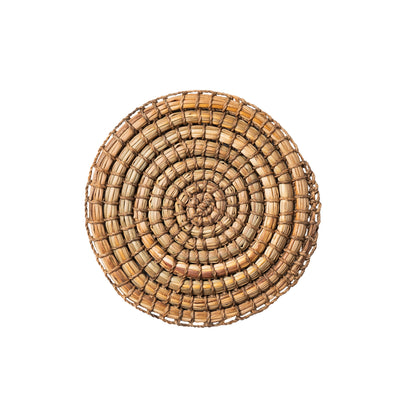
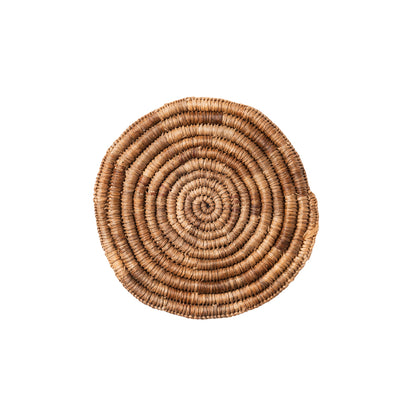
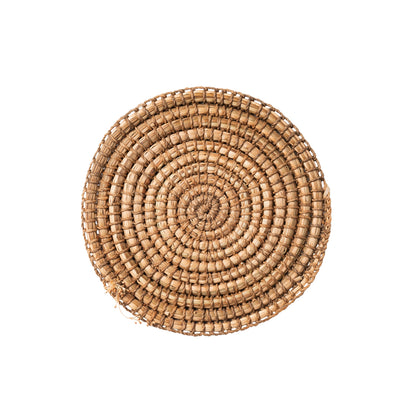
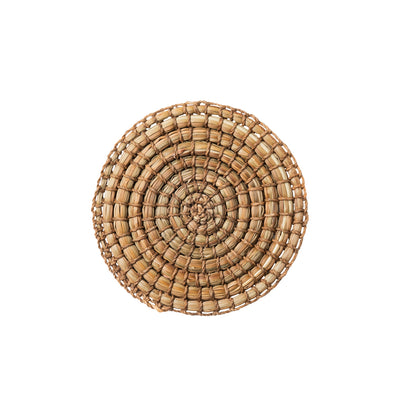
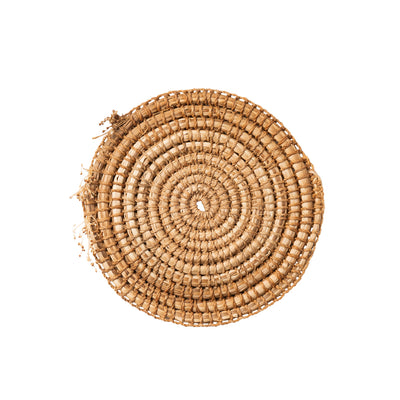
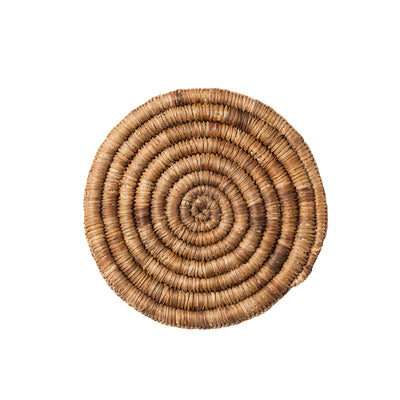
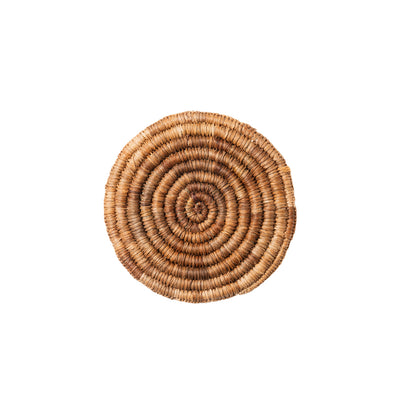
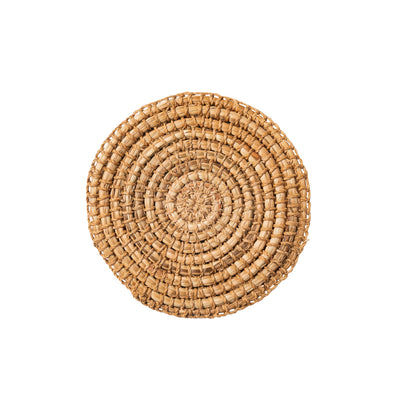
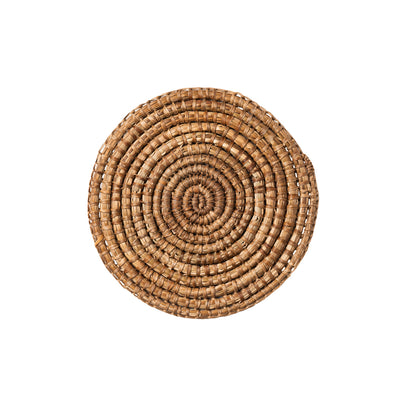
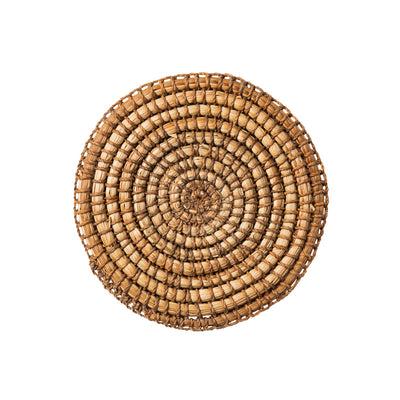
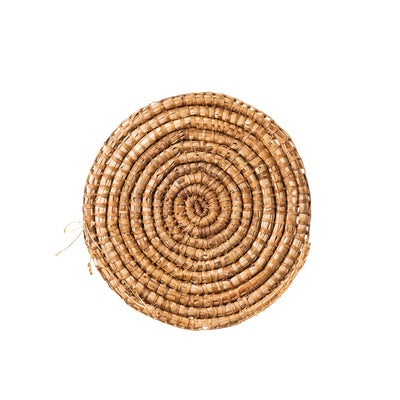
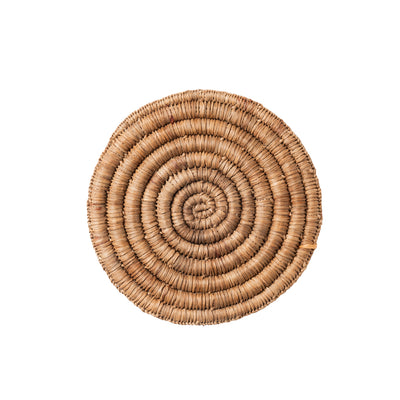
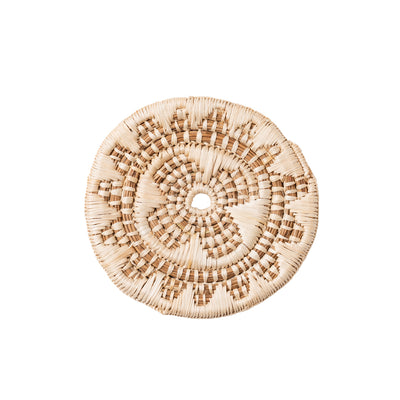
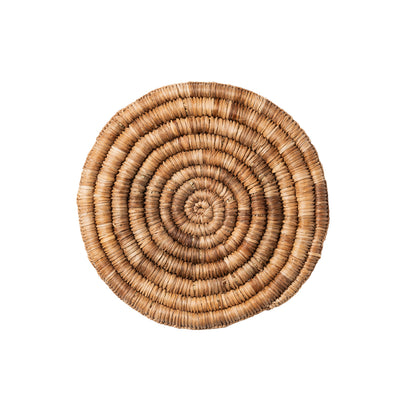
After years of deepening both her weaving and her practice of Cha Dao, the two have become inseparable for her. She forages the wild plants and fibers she works with, then dries, splits, sorts and boils them, a sequence that mirrors the way tea itself is transformed. Her tea practice shapes how she weaves, and the trivets that come from it carry the marks of the plants and the places they came from.

Woven Trivets by Jasmine Nunns

All of these pieces have found homes for now. Keep an eye out for new work soon.
Yuliya Maslyn

Yuliya Maslyn

France

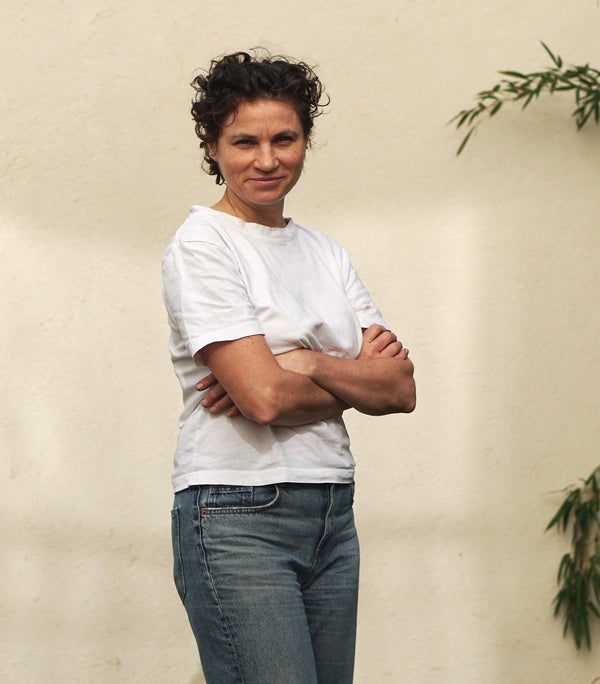
Yuliya Maslyn is a textile artist, tea practitioner, and acupuncturist from Ukraine, now based in Paris. She spent more than twenty-five years working in fashion before Cha Dao gave her a different relationship to cloth. Textiles, she found, ask the same thing tea does: that we slow down and pay closer attention to the natural world.

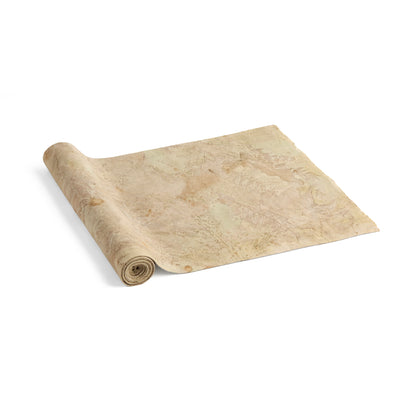
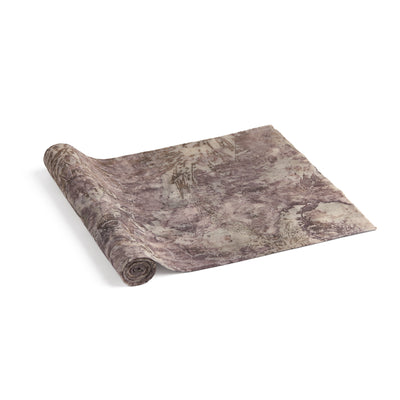
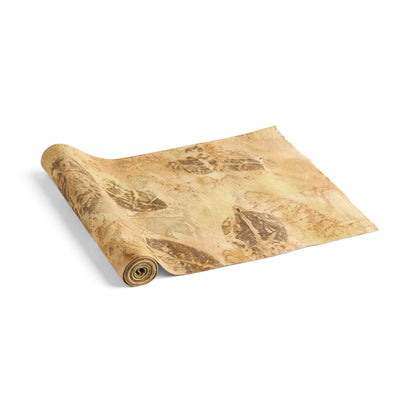
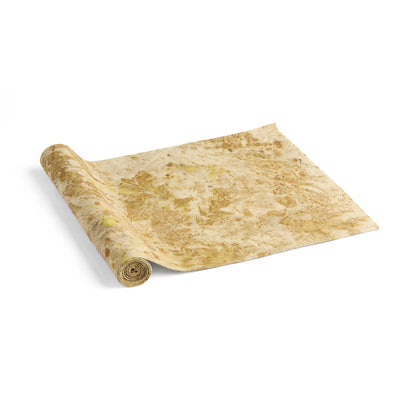
She works with natural fibers and plant dyes, making chabu by hand. Rather than imposing a design, she collaborates with the plants, letting each cloth emerge through the exchange between fiber, water, earth, and time. The colors follow the seasons, the marks fall where they fall, and no two chabu are ever the same. Objects made slowly, she says, carry a quiet presence that deepens the experience of sharing tea.

Plant-dyed Chabu by Yuliya Maslyn

All of these pieces have found homes for now. Keep an eye out for new work soon.
Taya Zinina

Taya Zinina

Hong Kong

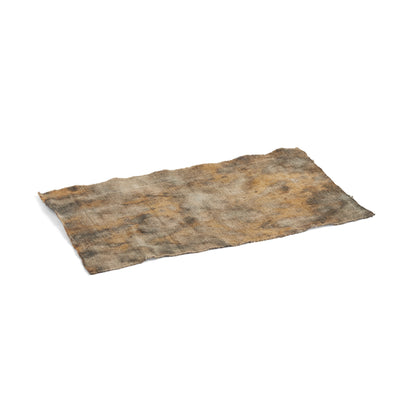
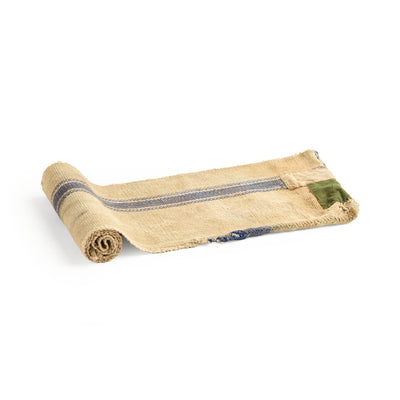
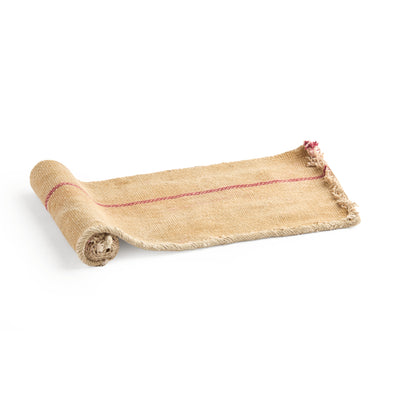
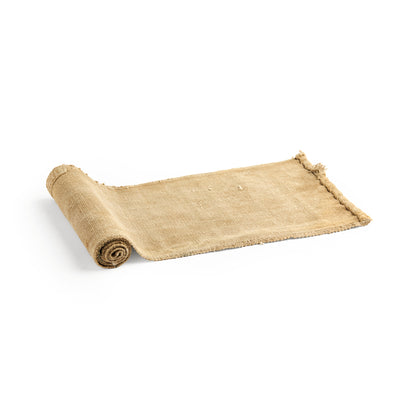
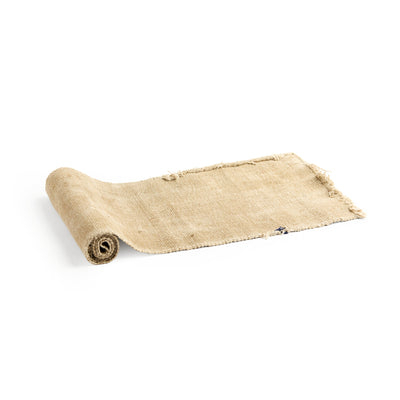
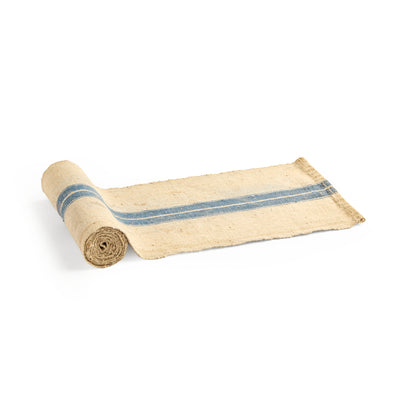
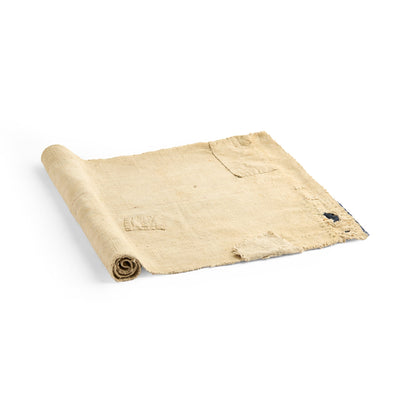
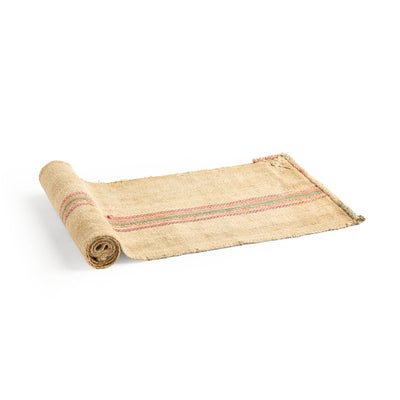
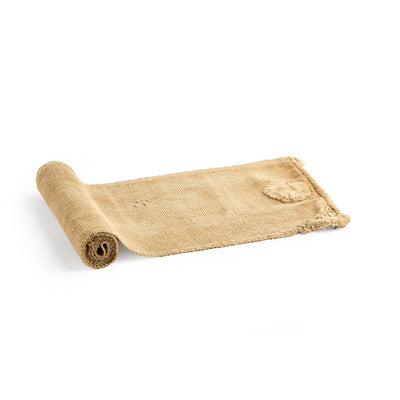
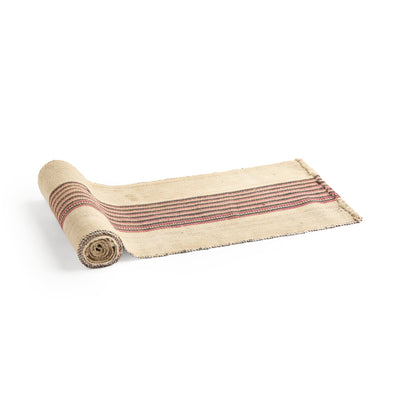
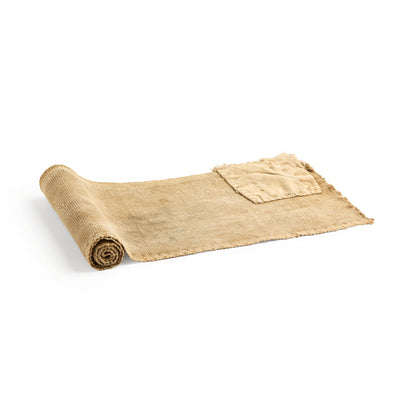
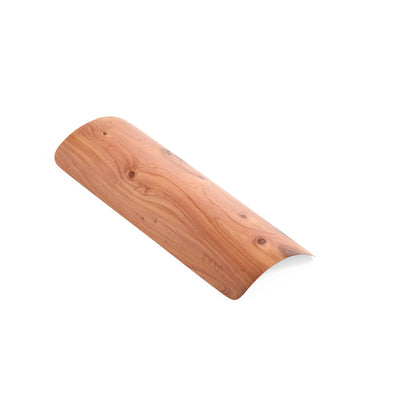
Taya is an artist and passionate tea lover, born in Russia and now living in Hong Kong. Her tea journeys through China are spent searching for farmers, craftspeople, and kindred spirits who love tea and culture as much as she does. In an ancient mountain village near Chengdu, she befriended a young couple devoted to preserving their heritage, and found hand-woven cotton rice sacks from the 1950s drying on their balcony. These sacks were used by farmers across China, patched and mended year after year, and stained a warm brown by the rice itself. Back in Hong Kong, she spent weeks cleaning and finishing the sturdy old cloth. When she first laid a finished piece beneath her teaware, she felt a deep connection with the art of time and the hands that wove it. These chabu are culture, history, imperfection, and time: life itself. Her hope is that something that moved her so deeply can now grace tea tables around the world.
Vintage Rice Sack Chabu by Taya Zinina

All of these pieces have found homes for now. Keep an eye out for new work soon.