


Eastern Beauty Set
 Gongfu
Eastern Beauty is the most oxidized of all oolongs. In early summer, leafhoppers bite the young leaves and they begin to oxidize on the tree, which gives this tea its honey fragrance. It comes from Beipu in northern Taiwan, where the tea was first made. It is grown organically, picked by hand and made by Master Gu Chengqian and his son, Gu Yiping.
This set brings together the three grades we carry from Master Gu: Common, Middle and Top, 25 g of each. Brewing them side by side is the clearest way to learn what a grade means.
- Origin
- Beipu, Hsinchu, Taiwan
- Elevation
- 200 to 500 m
- Farmer
- Master Gu Chengqian, Bao Ji Tea
- Farming
- Organic, four ecological gardens
- Picking
- By hand, early summer
- Oxidation
- Around 80%
It Begins With a Bite
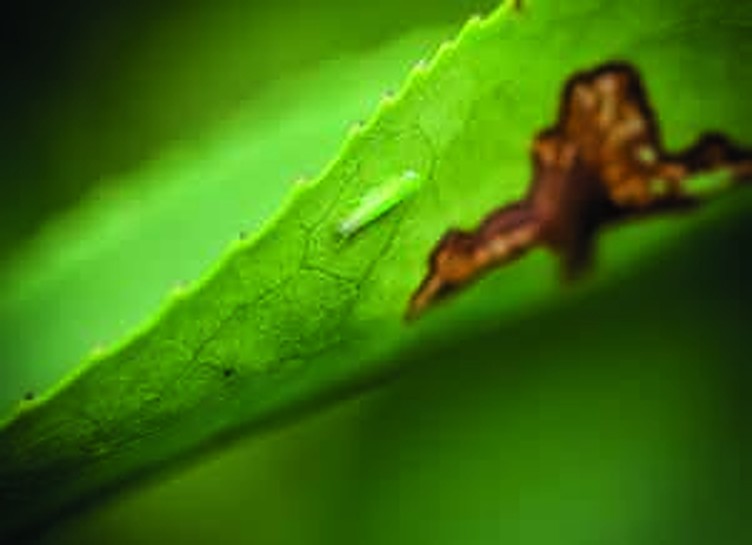
In late spring and early summer, tiny green leafhoppers feed on the tea trees of Beipu. They leave no holes, only pricks too small to see, and those pricks change the leaf in three ways.
-
Oxidation begins on the tree
The pricked leaf begins to oxidize before it is picked.
-
The leaf defends itself
The tree produces compounds within the leaf to discourage the insects, and these change the nature of the leaf.
-
The garden smells of it
The tree also releases aromatic compounds into the air, which change the fragrance and flavor of the tea. You can smell the bitten trees in the garden.
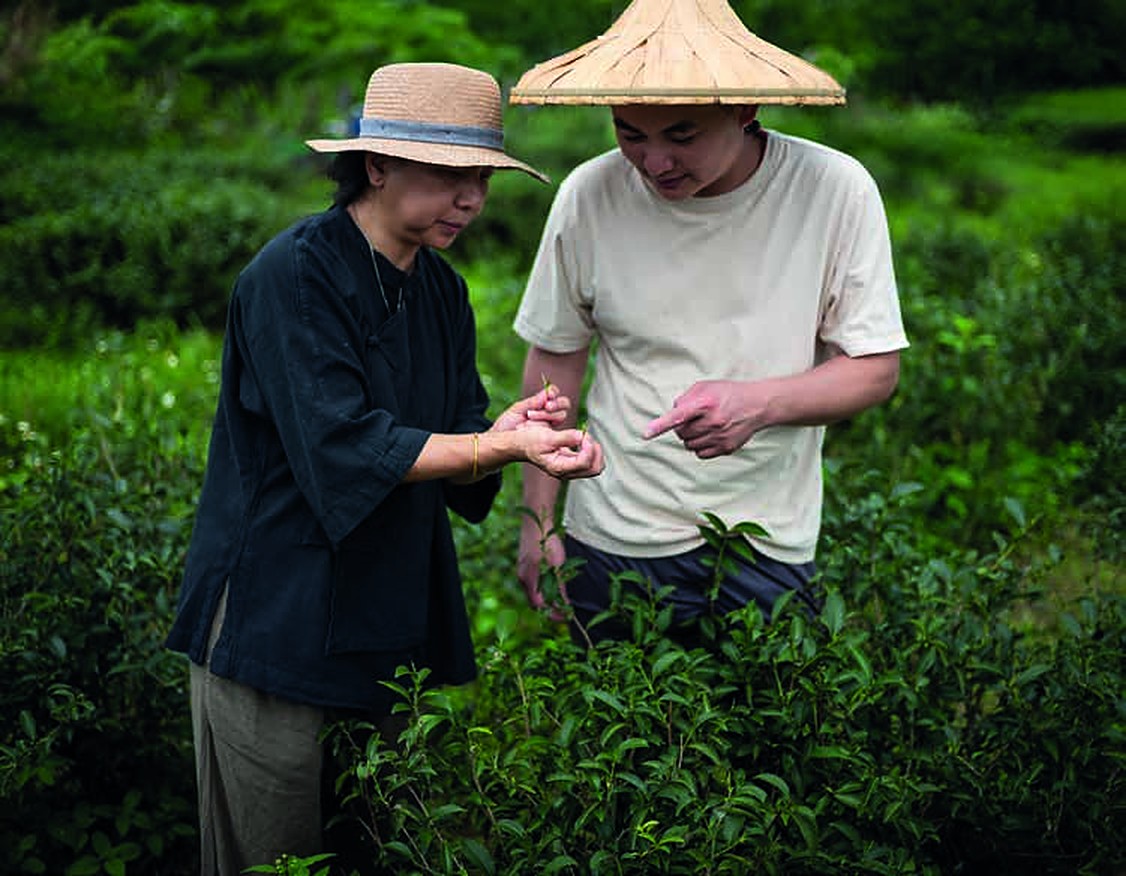
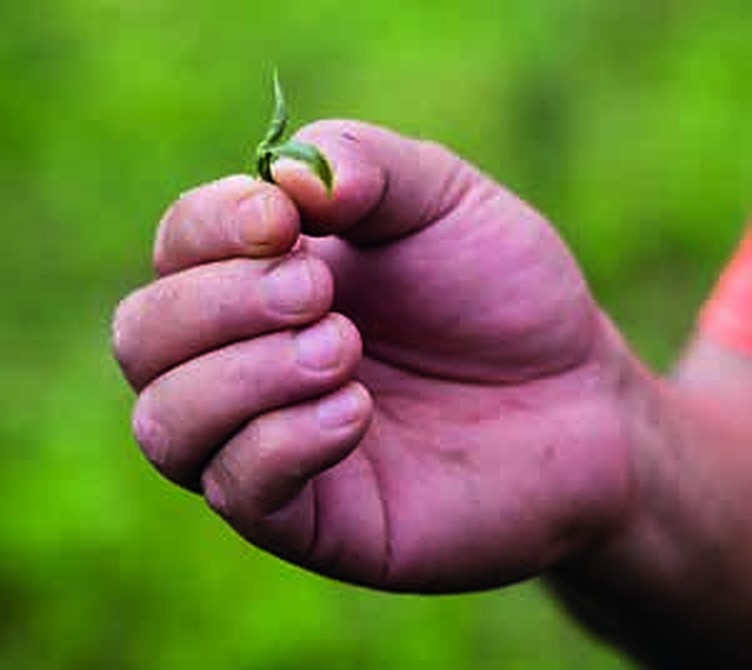
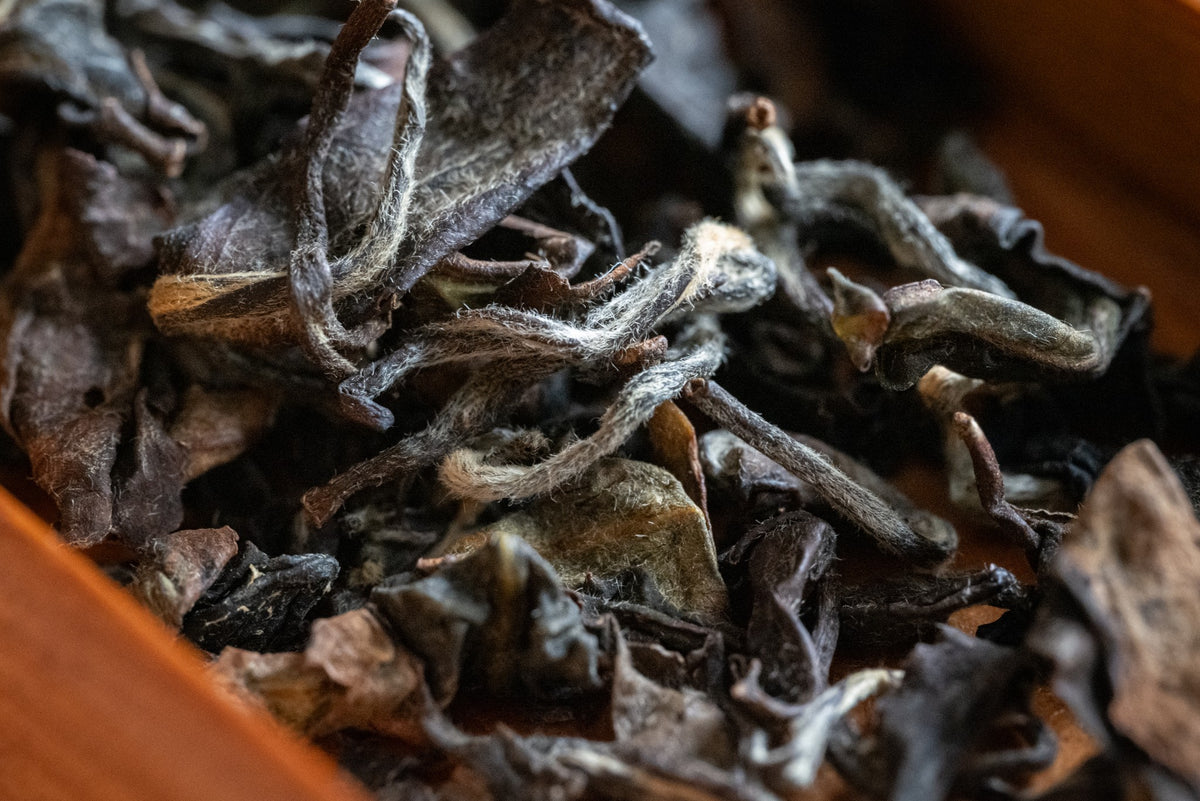
The bitten buds curl and turn a yellowish white. The further down the stem that color runs, the finer the leaf. There must be neither too few bites nor too many: with too many, the leaf over-produces tannins and the tea turns bitter. The right amount is only possible in a garden in balance.
One Tea, Several Names
Eastern Beauty
Dong Fang Mei Ren, also translated as Oriental Beauty.
White Bud Oolong
Bai Hao Oolong. The bitten buds turn white as the tea is made.
Liar’s Tea
Peng Feng Cha. They say the first producer’s neighbors thought he was lying when he said his bug-bitten summer tea sold for more than spring tea.
Five Color Tea
Wu Se Cha, for the five colors that show in the dried leaf.
The Bao Ji Gardens, Beipu
A valley in the northwest of Taiwan, where the mists settle daily and the loose soil is rich.

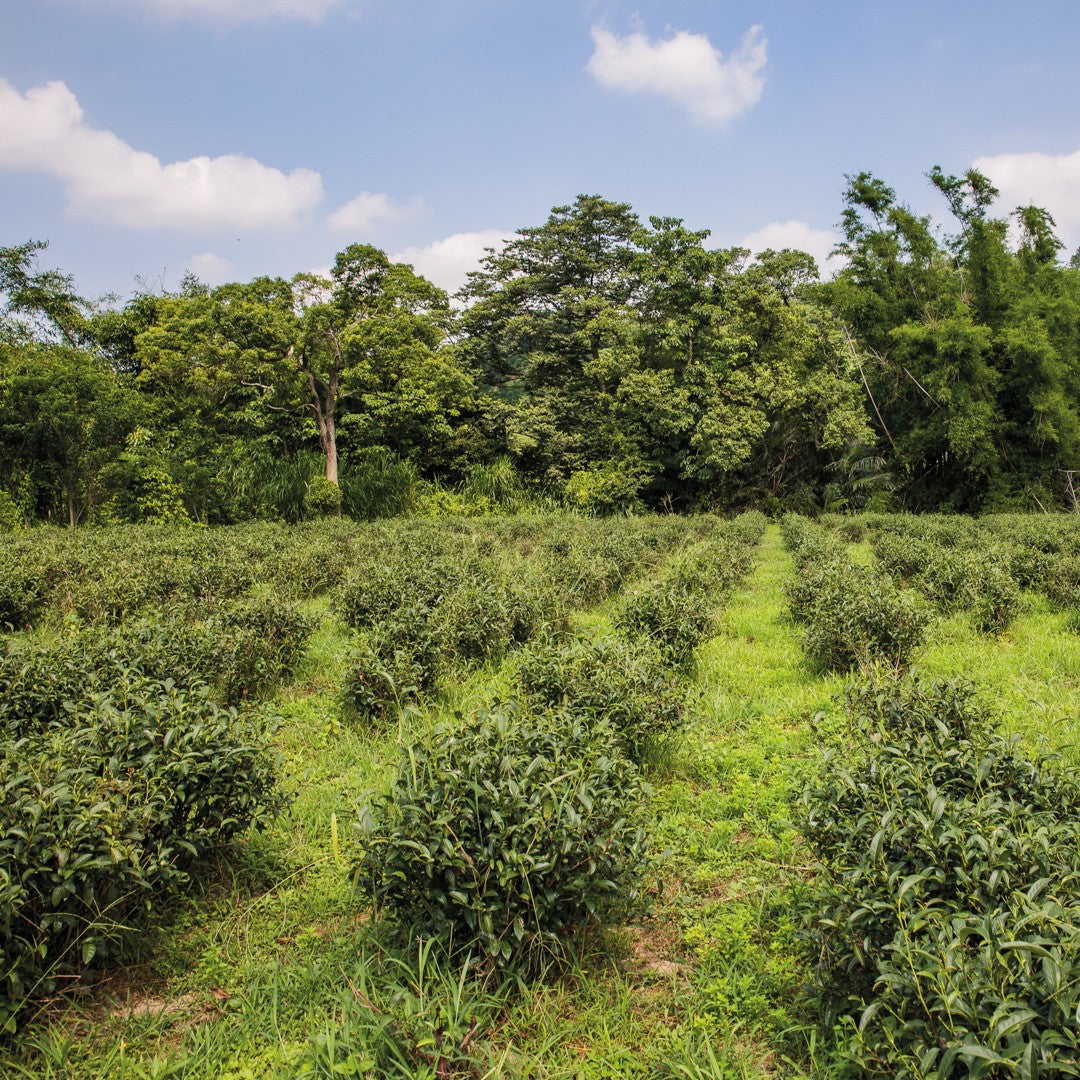
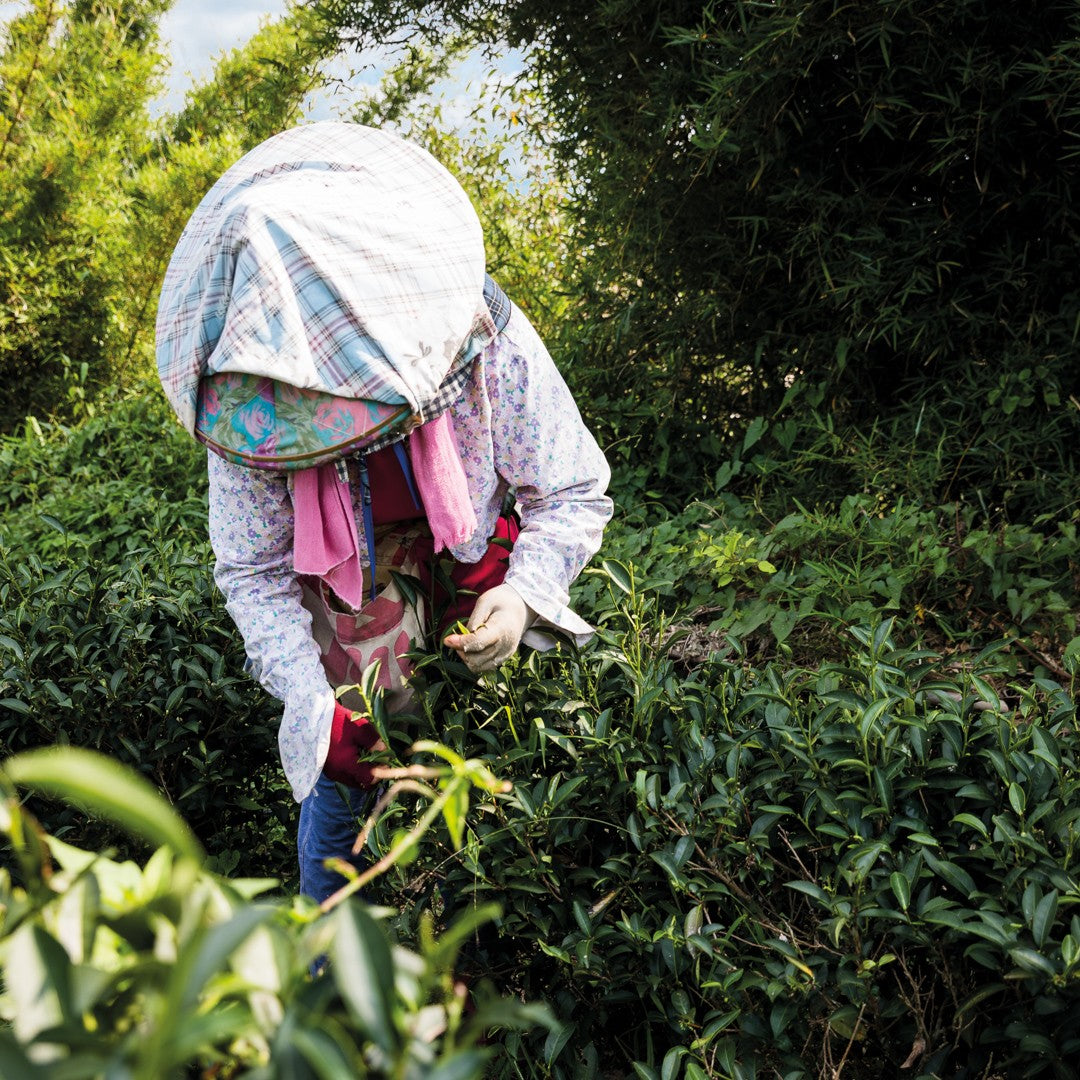

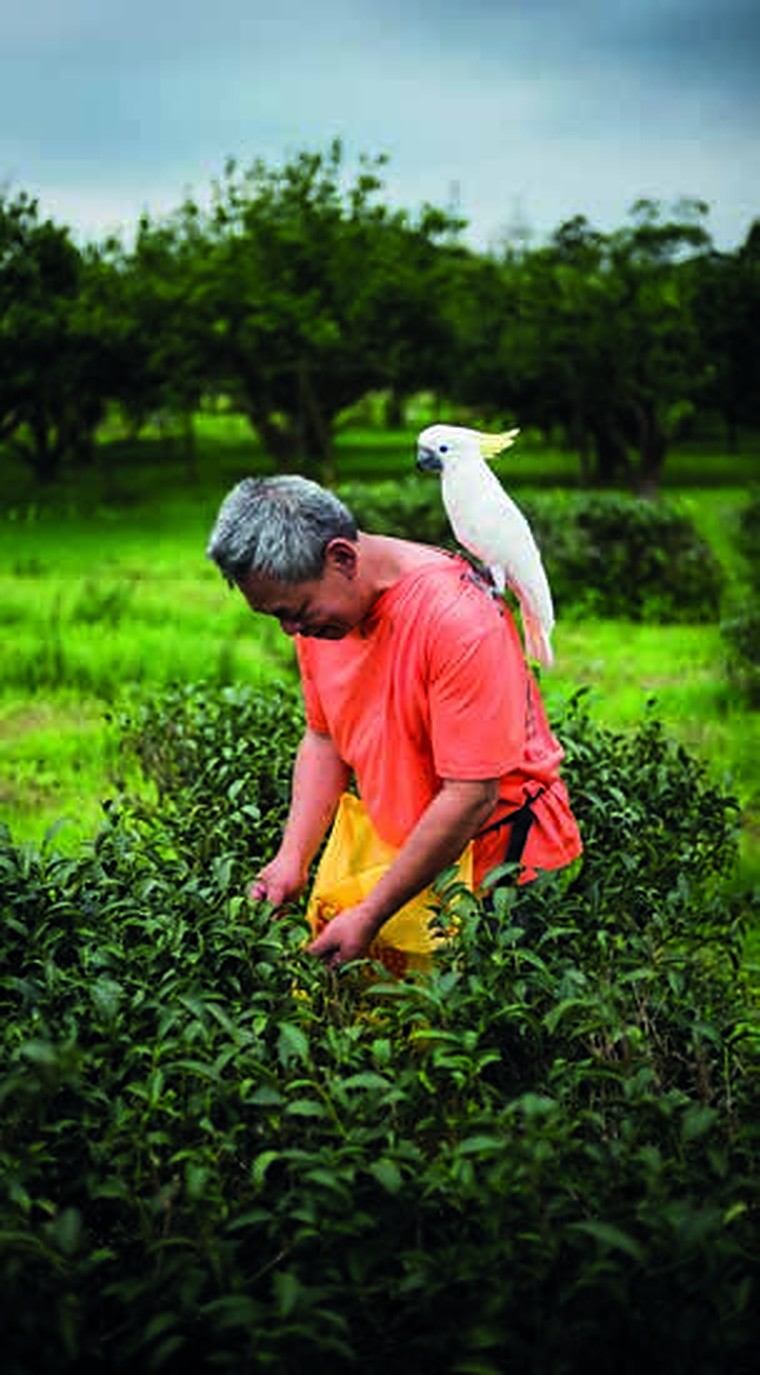
Master Gu’s trees stand far apart, with the undergrowth left to grow between them. Most are around thirty years old, and the oldest seventy to eighty. He has recorded more than twenty species of insects that live with his tea. When one tree is hit hard, he leaves it: the insects move on, predators follow, and the garden finds its own balance over the seasons.
“Conventional farmers are constantly battling the very insects that make their tea unique in the first place.”
Master Gu

From Leaf to Cup
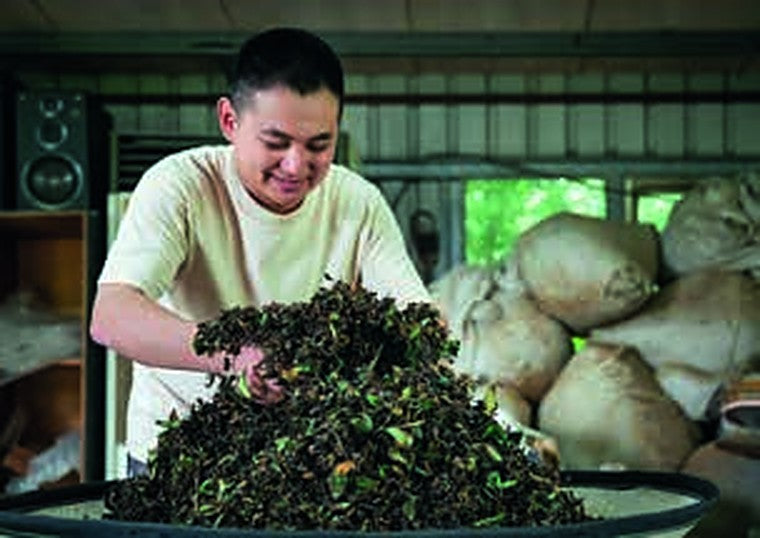
Eastern Beauty has more steps than any other oolong. One day’s picking takes from early morning until almost midnight to bring to its first drying, and the roasting waits until the season is over.
-
Picked
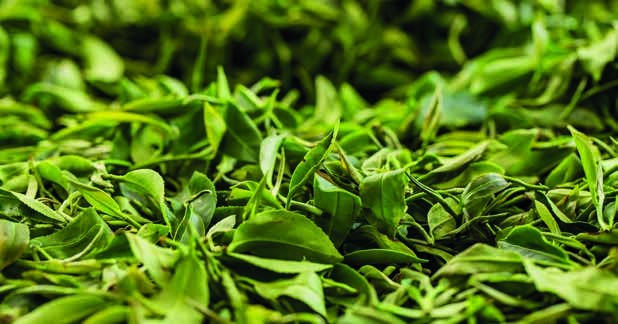
cai cha 採茶By hand in the early morning, one bud and two leaves for the higher grades. Pickers are paid by the day, not by weight, so the sorting of grades begins in the garden.
-
Withered and Shaken
wei diao 萎凋, lan qing 浪青About fourteen hours of withering on a covered, sunlit roof, shaded at midday. Then around six hours indoors, shaken four times. The higher grades are shaken entirely by hand.
-
Piled
wo dui 臥堆Covered on a bamboo mat for four to eight hours, until the leaf is around 80% oxidized. Most producers wither and pile wet, which could raise the yield by as much as 30%. Master Gu uses a completely dry process.
-
Fired and Rolled
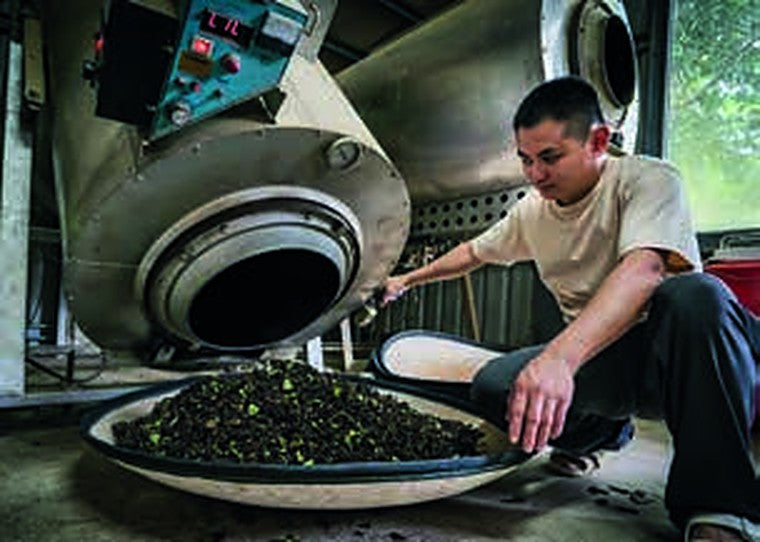
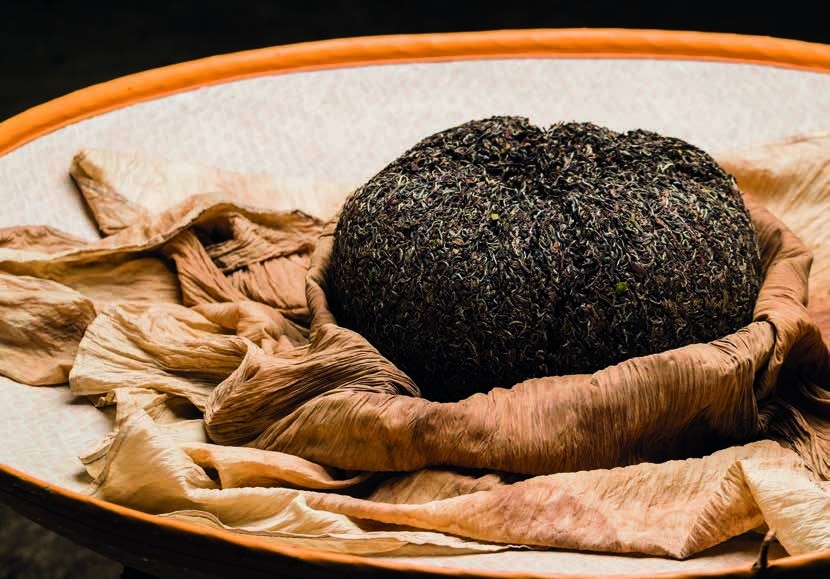
sha qing 殺青, rou nian 揉捻A few minutes in a hot tumbler stops the oxidation. The leaf rests in a tight ball inside a damp cloth, then is rolled three times, twice by machine and once by hand.
-
Roasted
shui bei 水焙, then three roastsA gentle water roast dries the tea. After the season it is sorted and roasted in three stages: awakening the tea, roasting its body and sealing in the fragrance.
“The machines cannot be trusted with our precious tea.”
Master Gu
Explore Eastern Beauty Oolong
Master Gu sorts his tea into several grades, beginning as it is picked. The grades follow the buds: the more bitten buds in the leaf, the higher the grade. The highest can take up to 50,000 buds to make a single jin, 600 grams. We carry three, and even the simplest is a wonderful tea.
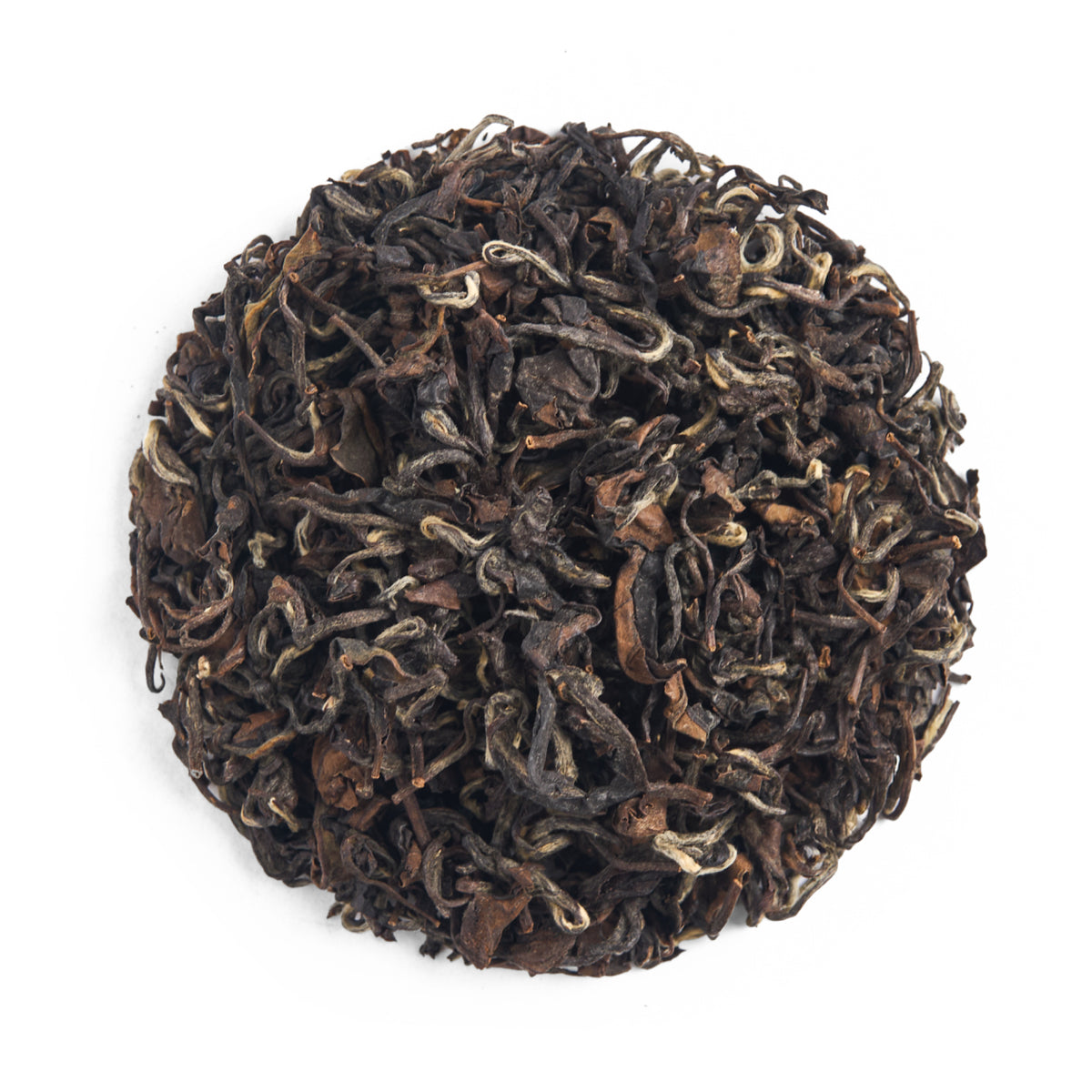
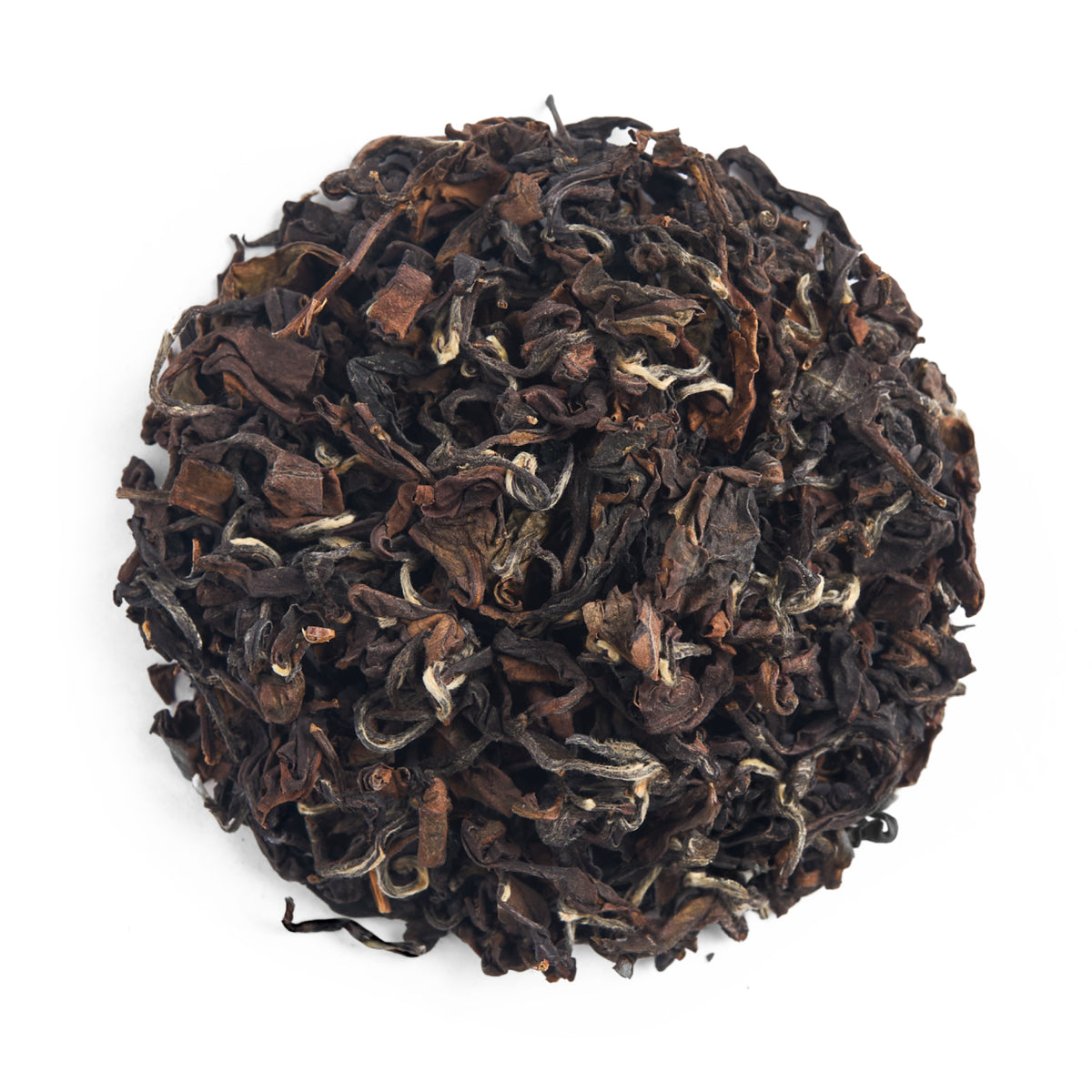

Top Grade
25 g · $175.00USD
From among Master Gu’s top grades: bitten buds picked at the right time of year.
Explore Top Grade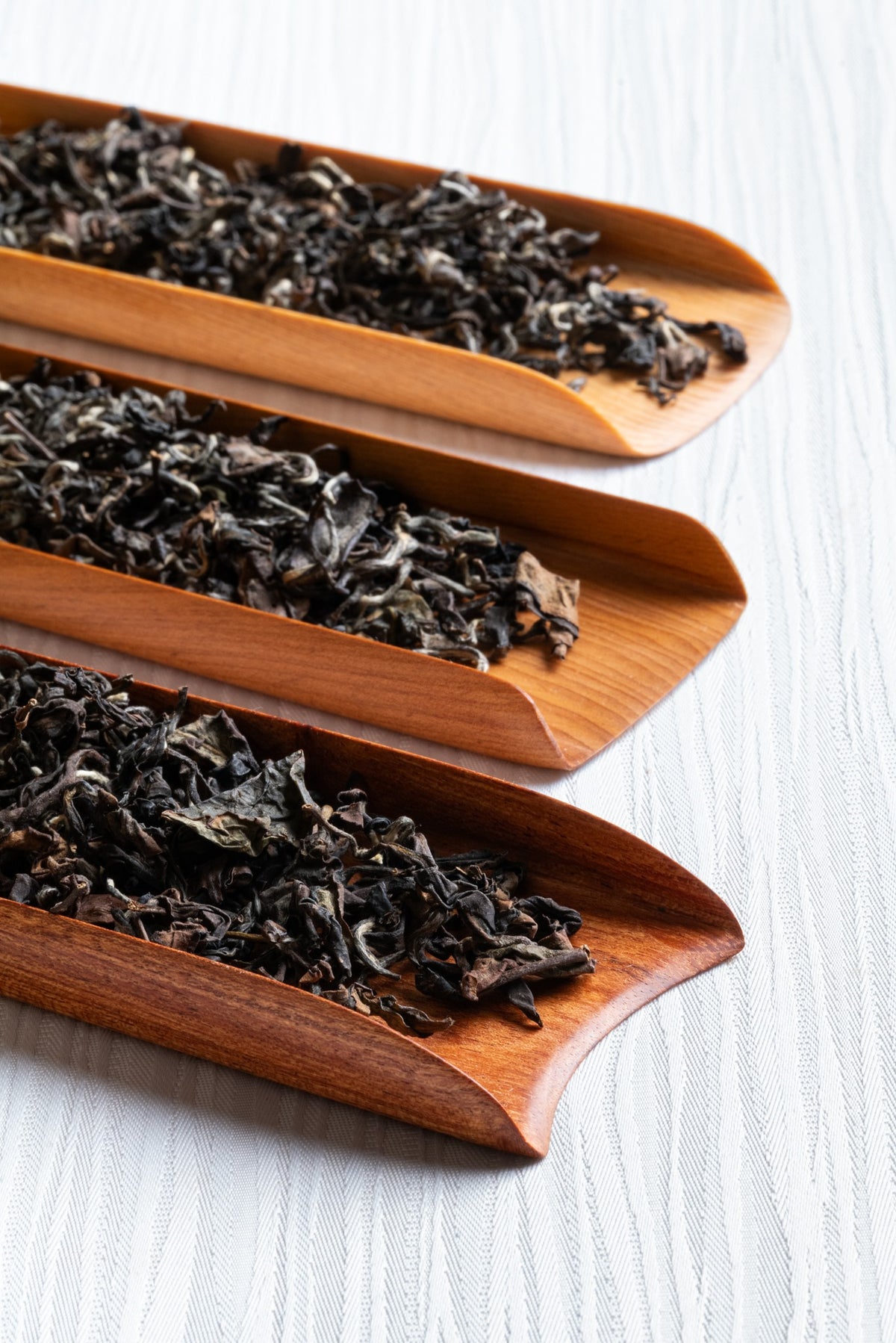
Eastern Beauty Set
$225.00USD
All three grades, 25 g each. Brewing them side by side is the clearest way to learn what a grade means. $225.00, against $250.00 for the three bought singly.
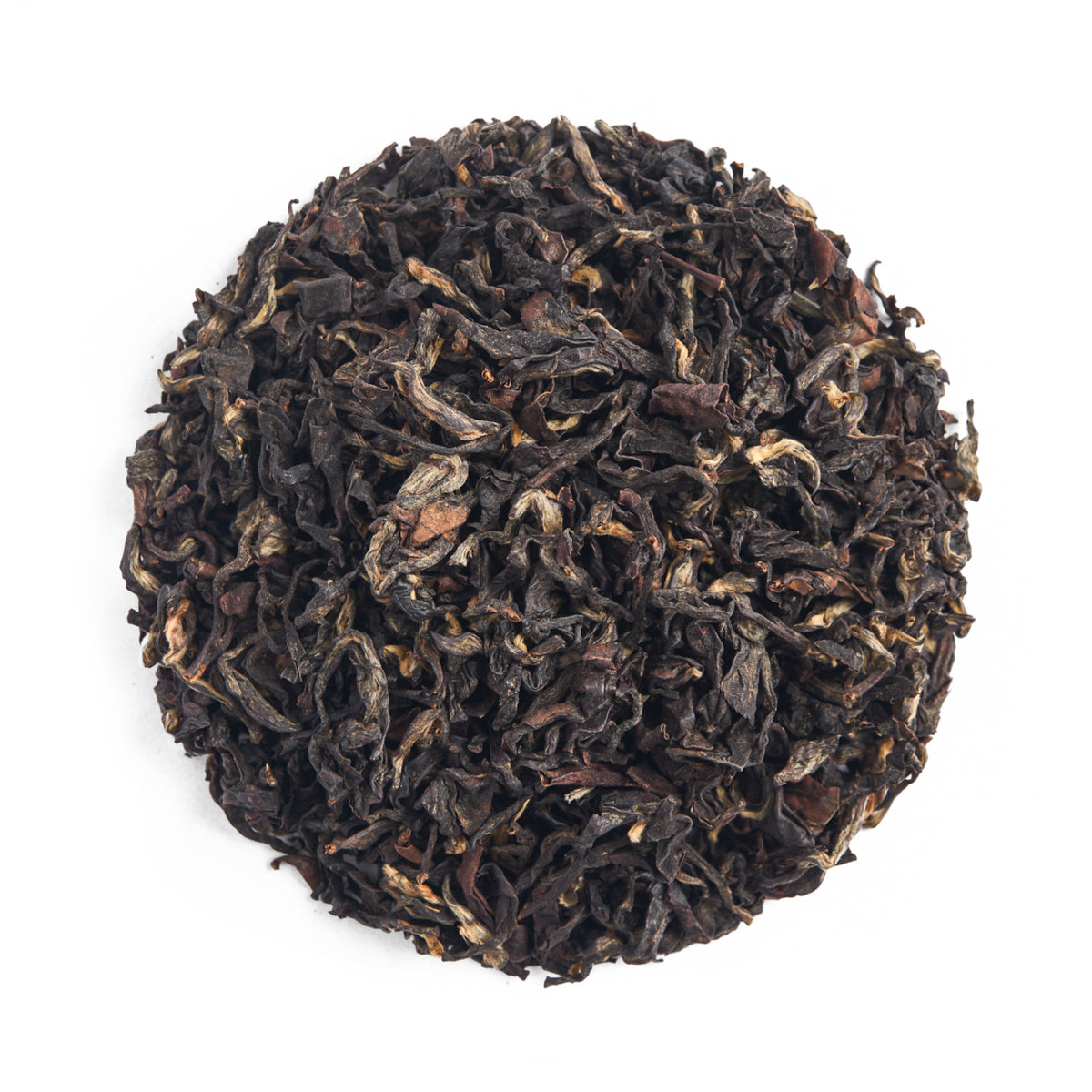
Aged Eastern Beauty
75 g · $80.00USD
Not one of Master Gu’s teas. A Beipu Eastern Beauty from another farmer, aged for ten to fifteen years.
Explore Aged Eastern Beauty

Master Gu Chengqian 古乘乾
Gu Yiping 古亦平, his son
Master Gu Chengqian and Gu Yiping
Bao Ji Tea, BeipuMaster Gu is a fourth generation Eastern Beauty farmer, born in 1969, the Year of the Rooster. He grew up harvesting and processing tea. In 2000 his Bao Ji Tea Company bought back the first of several abandoned Eastern Beauty farms, and by 2006 the family was tending four ecological gardens.
He is Hakka, and with the proceeds from his tea he supports Hakka food, crafts, music and language.
His son, Gu Yiping, works beside him as the fifth generation, and carves tea scoops and picks by hand from old bamboo. In 2024 he was in charge of the year’s Eastern Beauty production.
We first shared his tea with this community in 2012. When we visited afterwards, he turned to a friend at his table and said, “They are drinking my tea in Spain!”
Eastern Beauty in the Magazine
Three issues that go deeper into this tea and its farmer.

Pure Tea
A full day at Bao Ji, following every step from picking to the first roast. Summer Wind, an aged Eastern Beauty, was Tea of the Month.
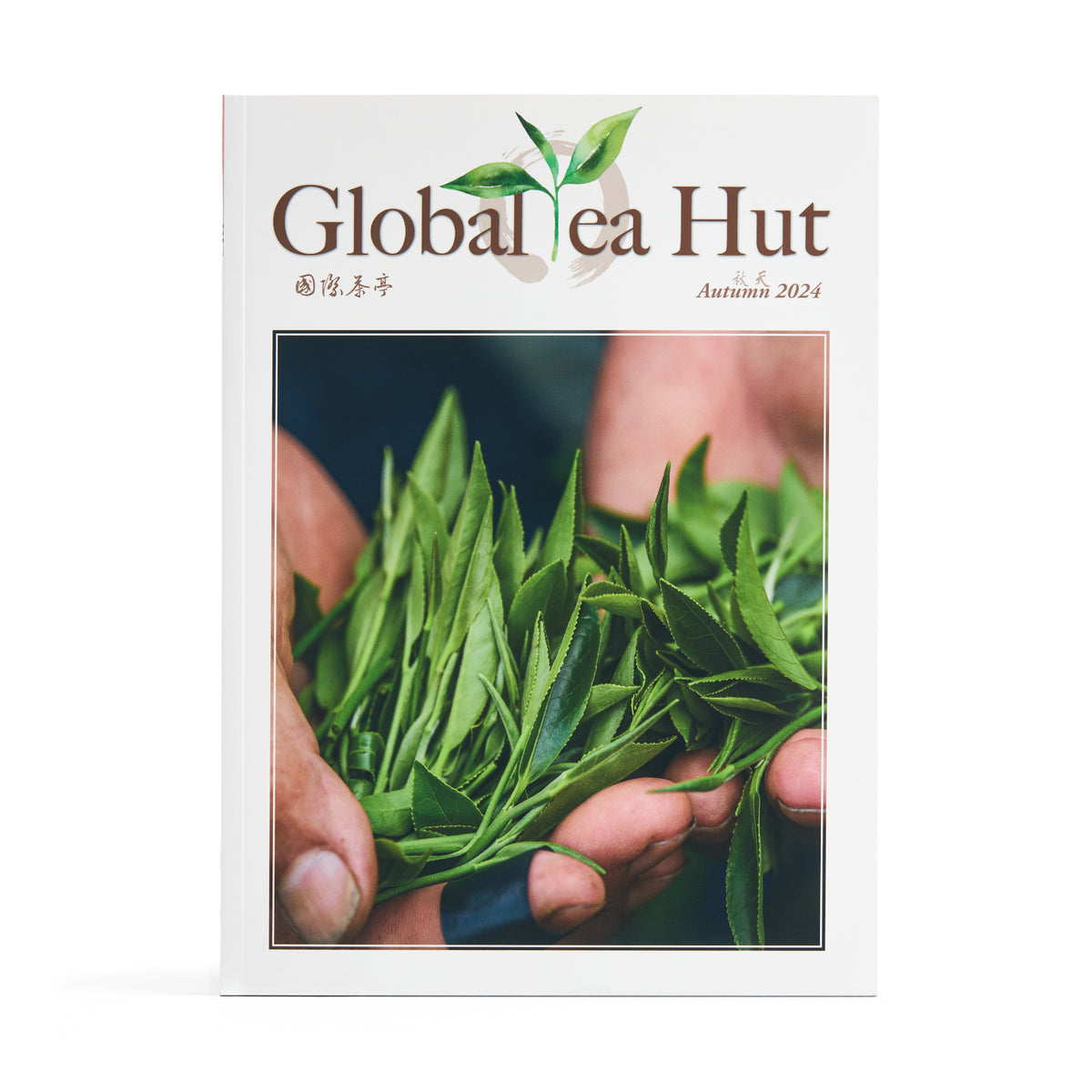
Autumn 2024
A return to the Gu family’s farms and factory, in the year his son took charge of production. A common and a higher grade came with the issue.

Tea & Music, Part III
Summer Breeze, the 2022 Eastern Beauty, as Tea of the Month, with notes on how forgiving it is to brew.